
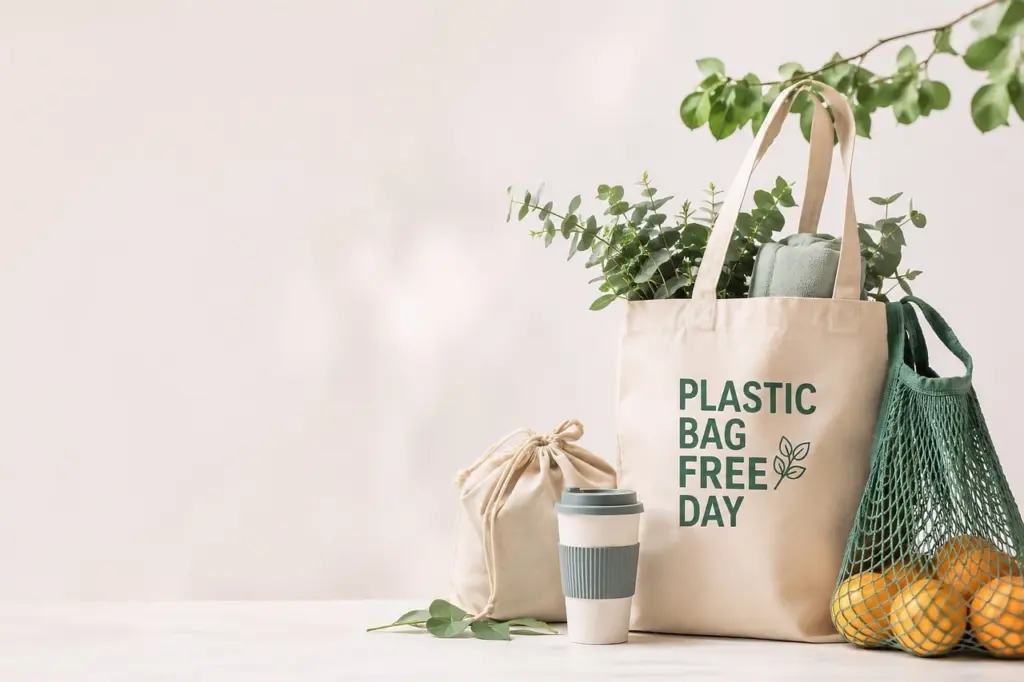
Knowing how to live more sustainably starts with a single decision: which habit you repeat most often. Swap that throwaway for a reusable, buy secondhand before new, and fix household water and energy waste, in the order your budget and home allow.
If plastic is your main worry, begin with 10 Practical Ways To Reduce Plastic Pollution Today (Simple Steps For 2026) – Greencrowding. Otherwise, use the criteria below to pick a starting point, then follow the branch that matches your home, your budget and the businesses you want to support.
Choosing your first change
The right first change is the one you will repeat every week, that replaces something disposable or wasteful, and that sends your money to a business whose claims can be checked. Four criteria make that choice easier.
- Repetition: A daily habit, such as a takeaway cup or a long hot shower, gives you more chances to cut waste than a one-off purchase. Rank candidate changes by how often you would act on them.
- Replacement: Prefer swaps that remove an item or a cost. Reusable products stand in for single-use throwaways, according to Green America’s guide to sustainable habits, whereas a new gadget only adds to the pile unless it displaces something you already own.
- Cost and payback: Free habits and secondhand purchases cost little up front. Efficient fixtures cost more at the start but reduce running bills, which the household section below explains.
- Verifiability: Choose products and brands that an independent body has tested, rather than those that rely on green imagery and vague wording.
The last criterion is where this guide takes its angle. Every purchase tells a business what to keep making. When you buy a certified product, choose a repaired or resold item over a new one, or pass over a brand that cannot back up its claims, you are rewarding the sustainable end of the market. That is why the sections below treat consumer choices as the main lever, alongside the habits you control at home.
Treat what follows as branches, not a checklist. A few changes made consistently will do more than a long list abandoned after a month, so read the branch that fits your situation and leave the rest for later.
Zero waste basics: reusables and refills
Zero waste, in practical terms, means choosing reusable products instead of single-use throwaways wherever the reusable option fits your routine. That is the habit Green America lists among the habits of highly sustainable people, and it is the easiest place to begin because it needs no special equipment and costs little.
Shopping and carrying
Start with what you carry out of the house. A bag, a bottle or cup and a few containers for loose items cover most single-use packaging you meet on an ordinary day. Keep them where you will actually pick them up, such as by the door or in your work bag, because a reusable item only replaces a throwaway when it is with you at the moment of purchase.
Refill and bulk shops suit people who cook regularly and buy dry goods such as nuts, pulses, grains and salt. You bring your own jars and fill them with only the amount you need. If you live far from a refill shop or buy mostly fresh food, the carry kit alone is the better first step, and you can add refills later.

Bathroom, laundry and cleaning
The bathroom and laundry are the next logical stop, because their products are replaced often and mostly arrive in plastic. Toothpaste is a good test case: Zero Waste Toothpaste: A Practical Guide To Eco‑Friendly Oral Care In 2026 – Greencrowding walks through the alternatives to a standard tube. Laundry is similar, and Zero-Waste Laundry Detergent: The Practical Guide To Clean Clothes With Less Waste (2026) – Greencrowding explains how to cut packaging without giving up clean clothes.
For the rest of the routine, compare sustainable personal care products against what you use now, and switch only the items you will reliably use up. If you menstruate, eco friendly period products are a reusable swap that replaces a repeat purchase. Around the house, read about eco friendly cleaning products before buying a new set, since finishing what you already own is the more sustainable first step.
Recycling and labels
Reusables reduce what enters the bin, but some waste will remain, so it helps to sort it correctly. Rules vary by local service, and a clear explanation of what goes in the recycling bin will help you avoid contaminating the load. If plastic is a particular concern, How Plastic Recycling Really Works: A Practical Guide To The Process In 2026 – Greencrowding shows what happens to it after collection.
Be careful with packaging that promises to vanish. The difference between biodegradable vs compostable bags is real, and a bag only does its job if you can send it to the right kind of facility.
Buying secondhand before new
Buying secondhand instead of new is one of the simplest sustainable shifts, and the Center for Biological Diversity recommends that you consider buying secondhand instead of new where possible. It suits almost everyone, because it needs no new routine and often costs less.
Clothing
Clothing is the strongest case. The same organisation points out that fast fashion is responsible for as much as 10% of global carbon emissions, and notes that it comes from a model built on constant new purchases. Secondhand clothing steps out of that cycle entirely. Thrift Shopping Explained: How To Save Money, Find Unique Pieces, And Shop Sustainably In 2026 – Greencrowding covers how to shop for quality and fit. When you clear your own wardrobe, the best apps to sell used clothes let the garments stay in circulation, and the money can go toward your next secondhand find.
Furniture, mattresses and shoes
Furniture lasts long enough that secondhand and repaired pieces are natural choices, and solid items are often easier to restore than flat-pack. When you do need something new, the guide to sustainable furniture explains how to furnish a home responsibly. Mattresses are different: people usually prefer to buy them new for hygiene, so a sustainable mattress guide to materials, certifications and disposal is the better route. Shoes sit between the two, and a closer look at sustainable sneakers shows that materials and repair options matter as much as the brand.
Electronics
Phones, laptops and chargers deserve a longer life before they are replaced. Repair or refurbishment keeps a working device out of the waste stream, and when a device really is finished, the advice on how to recycle old electronics shows you how to hand it over properly instead of putting it in the bin.
Food scraps, composting and growing
Composting turns kitchen and garden scraps into something useful instead of sending them to landfill, and the method you choose depends on how much space you have. Before you pick a method, shrink the pile: how to reduce food waste at home sets out practical steps that also save money, and food you never throw away needs no composting at all.
Choosing a composting method
- Apartment or small space: A compact bin or worm bin works indoors or on a balcony. Apartment Composting Made Simple: How To Turn Kitchen Scraps Into Nutrient-Rich Soil In 2026 – Greencrowding is the place to start.
- Backyard bin: A static bin suits a household with regular kitchen and garden scraps and some patience. How To Layer A Compost Bin: A Simple Step-By-Step Guide For Faster, Odor-Free Composting – Greencrowding shows how to build the layers.
- Tumbler: A tumbler suits people who want less mess and easier turning. How To Use A Compost Tumbler: Fast, Low-Mess Composting For Every Backyard (2026) – Greencrowding explains how to run one.
- Access to animal manure: If you keep horses or have a neighbour who does, Composting Horse Manure: A Simple 6-Step Guide To Safe, Nutrient‑Rich Compost In 2026 – Greencrowding sets out how to do it safely.
Speed is the usual question once you start. How Long Does It Take to Make Compost? Real Timelines & Tips for Faster Results (2026) – Greencrowding explains what affects the timeline, so you can set realistic expectations before you begin.
Worm bins
Worm bins deserve a mention because they are the most compact way to compost food scraps indoors. Red worms do the work, and a small bin can keep up with a household’s scraps once it is established. They suit renters, people without gardens and anyone who finds an outdoor heap impractical, though they need a little attention to keep conditions comfortable for the worms.
Growing some of your own food
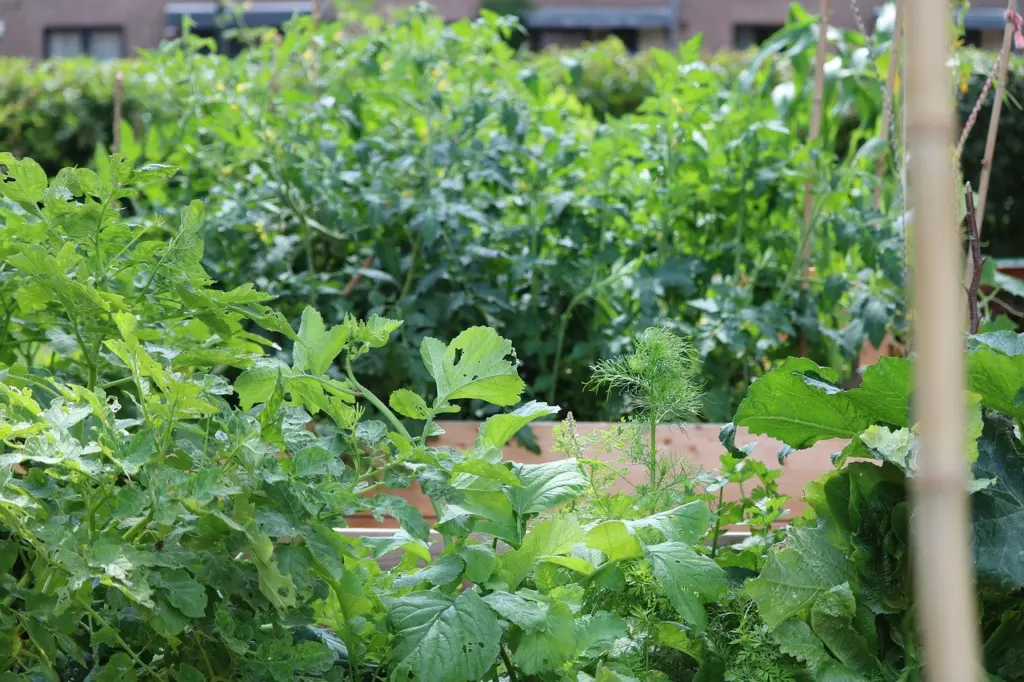
Compost has an obvious destination in a vegetable bed. A raised bed is a manageable starting point because you control the soil and the size, and even a small bed of salad leaves and herbs reduces the packaging and transport behind those items. Grow what you actually eat, and begin small enough to keep up with.
Cutting household energy and water use
The most effective way to cut household energy use is to look first at hot water, because heating it is one of the larger uses of energy in a home. According to the US Environmental Protection Agency’s WaterSense guidance, some households spend one-quarter of their electric bill heating water, so every reduction in hot water use is also an energy saving.
Hot water and taps
EPA illustrates how quickly it adds up: letting a faucet run for five minutes uses about as much energy as a 60-watt light bulb burning for nine hours. The fix is a habit, not a purchase. Turn the tap off while you brush your teeth or scrub dishes, and run hot water only for as long as you need it. These habits cost nothing and suit renters and owners alike.
What water costs a household
The same EPA page says the average family spends $1,300 per year in water costs and can save up to $500 by retrofitting with efficient fixtures. Read that as a ceiling, not a promise: savings depend on how inefficient your current fixtures are. Owners of older homes with original taps, showerheads and toilets have the most to gain, while someone who recently renovated has less room to improve. For a step-by-step approach, the guide on how to save water at home covers fixtures, habits and realistic savings in detail.
The garden and outdoor use
Outdoor water is another place to look. EPA reports that nearly 9 billion of the 29 billion gallons of water American households use each day, or 30 percent, goes outdoors. If you have a lawn, a lower-water ground cover reduces that demand directly. The guide to eco friendly lawn alternatives compares native plants, clover and low-mow options, so you can pick one that suits your climate and how much work you want to do.
Sustainable products worth buying
The products worth buying are those that replace something you already use, last a long time and carry independent proof of their performance. That rules out most novelty items sold as eco-friendly and favours a short list.
- Certified water fixtures: All WaterSense labelled products are tested and independently certified against EPA efficiency and performance criteria, according to EPA. Taps, showerheads and toilets carrying the label are lower-risk purchases than unlabelled products making similar claims.
- An efficient washing machine, when yours needs replacing: EPA says ENERGY STAR clothes washers use about 30 percent less water than standard models. Replace a working machine only if it is nearing the end of its life; the most sustainable washer is often the one you already own.
- A basic reusable kit: A bag, bottle and containers are cheap, and they suit anyone starting out.
- Durable, repairable items: Choose products that can be mended, because a repair extends a product’s life and keeps your money away from the disposable end of the market.
Skip anything that adds a new category of purchase without removing an old one. A matching set of eco-branded containers you do not need is not a sustainable swap, however attractive it looks. Compare cost and use before paying a premium: the best swaps pay for themselves through lower bills or fewer replacements, while the weaker ones simply cost more.
Choosing ethical brands
A genuinely sustainable brand can show you something verifiable, such as independent certification, named materials and clear repair or take-back options, rather than relying on green colours and soft words. Checking this matters because the market rewards whatever sells, and a business that earns trust with real evidence should win your custom over one that does not.
Look for independent verification
The WaterSense label shows what good verification looks like: products are tested and certified by an independent party against published criteria. When you evaluate a brand’s claims in other categories, ask whether a comparable body stands behind them and whether you can find the criteria. A claim you cannot trace to anyone but the seller deserves caution.
Watch for greenwashing in clothing
Fashion is where greenwashing is most common. The Center for Biological Diversity advises shoppers to look past the greenwashing and buy clothing made of truly sustainable materials, such as organic cotton. In practice, check the fabric named on the label, not the slogan on the hangtag. For help sorting labels, The Most Sustainable Fashion Brands In 2026: Eco-Conscious Labels Worth Your Wardrobe – Greencrowding profiles brands worth considering.
Ethical labels on everyday goods
Food and personal care carry their own labels. For a daily staple, the guide to sustainable coffee explains how brewing methods, pods and ethical labels compare. Sun care is another area where wording can mislead, and the explanation of what is reef safe sunscreen shows how to read the label before you buy.
Use a simple test on any claim: it should name a material, a certification or a measurable practice. If it only uses words like natural, green or conscious, treat it as marketing until you find evidence. Buying fewer things from brands that pass this test usually beats buying more from brands that do not.
A path through the decisions
Your situation decides where to begin. Use these branches to pick a first move, then add another once the first has become routine.
- If you rent or live in a small flat: Begin with the reusable carry kit, secondhand purchases and an indoor worm bin or apartment compost system. These need no landlord approval and no outdoor space.
- If you own your home: Start with taps, showerheads and any appliance that is due for replacement, then move to the garden. Owners control the fixtures, so they gain most from certified efficient products.
- If money is tight: Concentrate on free habits first: shorter hot water use, finishing products before replacing them and buying secondhand. Spend only where a purchase will clearly replace a recurring cost.
- If you want to influence businesses: Redirect the money you already spend. Move your regular purchases toward verified products and shops that let you refill, repair or resell, and withdraw from vendors whose claims cannot be checked.
After a few months, review what has stuck. Keep the changes that became automatic, drop the ones that did not, and then choose the next branch.
Frequently asked questions
How much food can a worm bin handle?
Worms can eat about half their body weight in food scraps every day, according to One Tree Planted. A bin’s capacity therefore depends on how many worms it holds, so add scraps gradually as the population grows.
Is a faucet aerator worth fitting?
Yes, it is a cheap fixture that cuts the hot water you use. EPA’s WaterSense page says an aerator saves enough electricity to run a hair dryer for 17 minutes every day for a year.
Can renters really make a difference?
Yes. Many of the most useful changes need no ownership: reusables, secondhand shopping, careful hot water use and compact composting. What renters cannot easily change, such as built-in fixtures, can wait until they own or can ask the landlord.
Does a green claim on the packaging mean a brand is sustainable?
No. A claim only counts when it names a material, a practice or a certification you can check. Wording alone is the kind of greenwashing the Center for Biological Diversity warns shoppers to look past.