
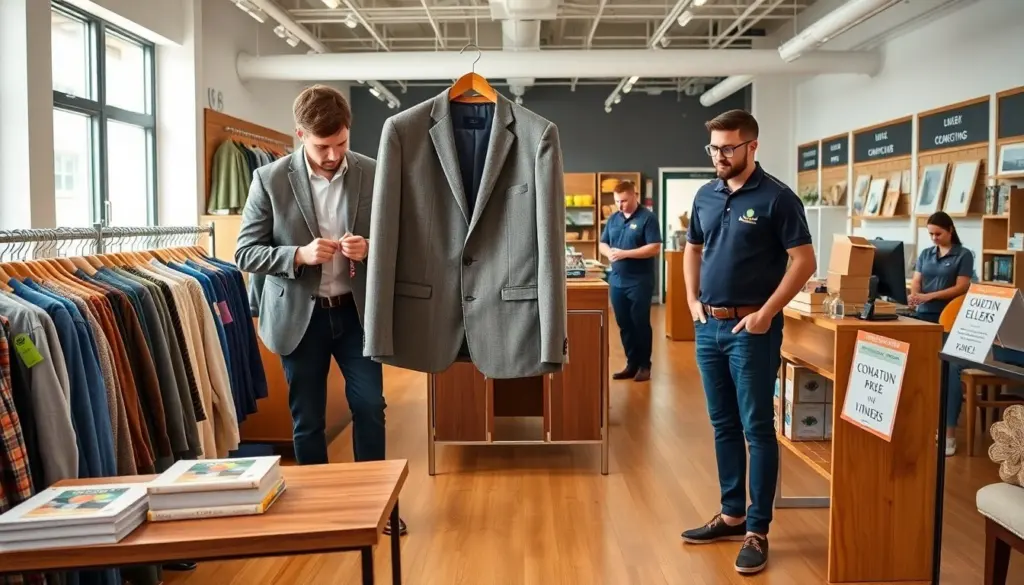
What is thrift shopping and why does it matter in 2026? The question helps new shoppers decide where to buy clothes and household items. The answer shows thrift shopping saves money, reduces waste, and offers unique finds. Readers will learn clear steps to start. The article will explain basics, compare market types, and give practical tips for confident shopping.
Key Takeaways
- Thrift shopping means buying donated items from thrift stores and charity shops, offering unique finds at lower prices while supporting nonprofits.
- Choosing thrift shopping helps save money, reduce environmental waste, and extend the life of clothes and household goods.
- Thrift stores differ from consignment, vintage, and secondhand markets by focusing on donation-based inventory and affordable pricing.
- To thrift shop smart, beginners should plan their purchases, visit stores early in the week, inspect items carefully, and bring essentials like cash and a tape measure.
- Quality thrift shopping involves checking materials, item condition, and repair costs before buying to ensure value and longevity.
- Shoppers can negotiate prices politely, take advantage of store discounts, and consider resale potential to maximize thrift shopping benefits.
What Thrift Shopping Really Is And Why It Matters
Thrift shopping means buying used items from charity shops, thrift stores, and donation centers. Shoppers buy clothes, furniture, books, and more at lower prices than new retail. Thrift shopping reduces waste and extends item life. It also returns funds to charities when purchases support nonprofit stores.
Shoppers choose thrift shopping to save money and to find items that differ from mass-market pieces. A shopper can find vintage jackets, solid wood furniture, or out-of-print books. The experience rewards patience and attention.
What is thrift shopping for someone who cares about cost and the environment? It is a simple way to cut spending and cut waste. They spend less and keep usable items out of landfills. This makes thrift shopping both practical and ethical.
How Thrift Stores Differ From Consignment, Vintage, And Secondhand Markets
Thrift stores accept donations and sell items for charity. Consignment shops sell items for the original owner and pay that owner a share of the sale. Vintage stores curate items by era and may price for rarity. Secondhand markets include online resale platforms and flea markets where individuals list items directly.
When a shopper chooses thrift shopping, they pick donation-based inventory and low prices. When a shopper chooses consignment, they expect curated and higher-priced items. When a shopper chooses vintage, they expect era-specific pieces and possibly higher cost. When a shopper chooses secondhand markets, they expect variety and direct seller interactions.
How To Thrift Shop Smart: Practical Steps For Beginners
A beginner who wants to thrift shop smart should start with a plan. They should list needed items and set a budget. They should check local thrift store hours and donation patterns. They should visit early in the week for fresh donations and visit after major donation drives for larger stock. They should also learn store layouts and tag codes.
Shoppers should bring cash and a tape measure. They should try items on when possible and inspect seams, zippers, and linings. They should also check for stains, holes, and odors. A quick wash often revives items, but heavy damage lowers value.
Tips For Finding Quality Items, Evaluating Condition, And Negotiating Prices
Shoppers should look for solid materials like wool, leather, and cotton. They should squeeze fabric to test strength. They should lift furniture to test joints. They should open seams and check linings for wear. They should test zippers and buttons.
Shoppers should evaluate condition with clear criteria: structure, stains, and repair needs. If an item needs a small repair, shoppers should estimate repair cost before buying. If repair cost exceeds resale or use value, they should pass.
Shoppers should ask politely about discounts. They should mention visible defects when they ask for a lower price. Many thrift stores offer senior, student, or color-tag discount days. In consignment markets and flea markets, sellers expect negotiation and may lower prices when shoppers bundle items.
Shoppers should consider resale value when they buy. Some shoppers buy to resell. Others buy to use. Either way, thrift shopping rewards patience, inspection, and small skills like basic sewing. A smart shopper will spend less and leave with items that match their needs and style.