
| Problem point | What the evidence shows | Planning use |
|---|---|---|
| Mixed plastic types | Items made from different plastic types cannot be recycled together. | Sort by the resin and shape your local program names, and do not nest or combine items. |
| Multi-layer or mixed-polymer items | Pieces made of layers or different plastics cannot be separated for recycling. | Choose single-material packaging when you have a choice. |
| Repeated recycling | Plastic degrades each time it is recycled, so it is usually recycled only once or twice. | Treat recycling as a delay, not a loop. Reduce and reuse come first. |
| #3 PVC | Not accepted by Recycle Ann Arbor, and one #3 PVC bottle can contaminate a half-ton of water bottles meant for recycling. | Keep PVC out of the cart. Never guess. |
| Bags and film | They can jam sorting machinery and are not accepted in Recycle Ann Arbor’s curbside carts. | Keep film out of the cart unless your program names a separate drop-off. |
Figures from CalRecycle and Recycle Ann Arbor; acceptance rules for bags and PVC are that Michigan program’s, so check your own.
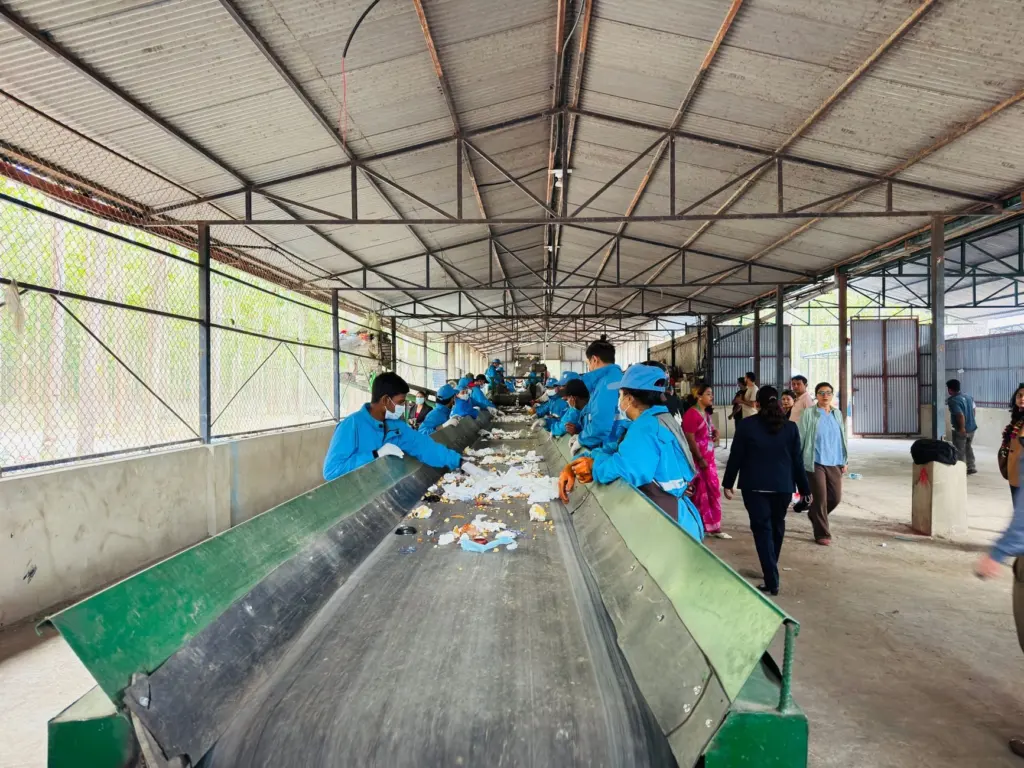
The plastic recycling process runs from sorting through washing, shredding and melting, and it only works when each resin arrives separate and unmixed. Your local acceptance list decides what enters it.
Small choices at the bin shape the outcome, which is why this guide starts with where plastic fails. For wider habits, see our overview of how to live more sustainably.
Where plastic recycling breaks down
Plastic often goes unrecycled because of its type, how well it can be recovered and whether anyone buys the result. Recycle Ann Arbor names exactly those factors: the type of plastic, its ability to be effectively recovered, and the existence of markets. The scale of the gap is large. Only 9% of the 8.3 billion metric tons of plastic ever produced has been recycled, and 40% of the plastic produced each year goes into single-use packaging.
Mixed resins and layered items
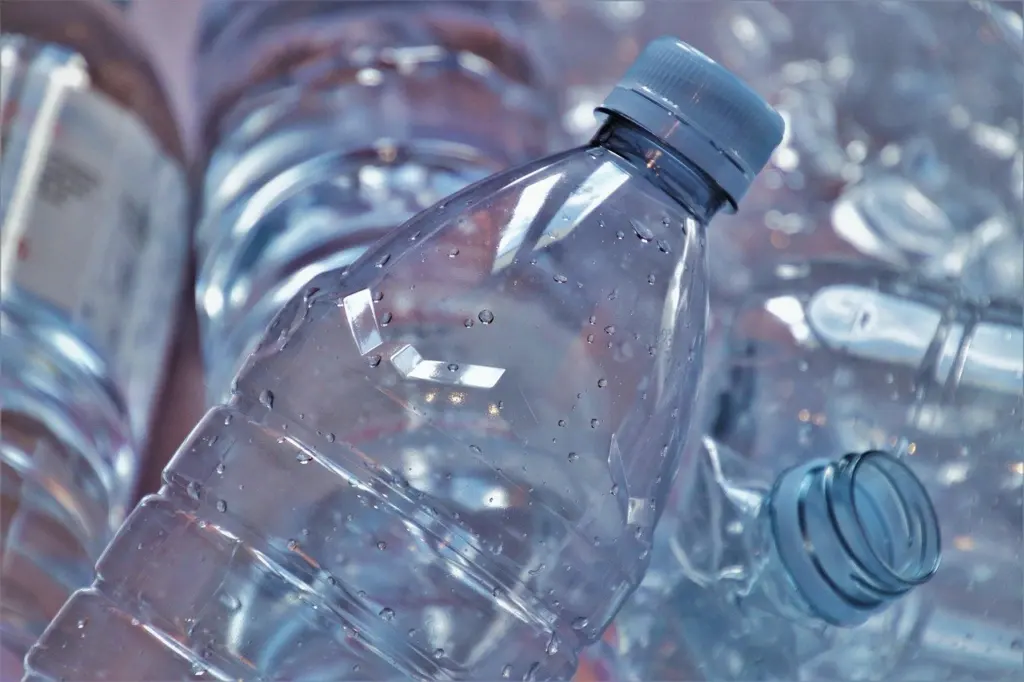
Recycling needs one resin at a time. California’s CalRecycle states that items made from different plastic types cannot be recycled together, and that items built from layers or pieces of different plastics cannot be separated. A package that bonds two materials together is therefore a dead end, however clean it is. This is the main reason a product can carry a recycling symbol and still fail.
Quality loss
Recycling does not repeat indefinitely. CalRecycle notes that plastic degrades every time it is recycled, so it usually gets recycled only once or twice. A bottle that avoids the bin altogether, through refilling or reuse, saves more than one that gets recycled.
Contamination and machinery
Contamination is mainly a sorting problem. Recycle Ann Arbor warns that one #3 PVC bottle can contaminate an entire half-ton of water bottles meant for recycling. It also explains that plastic bags and film cause major problems and can jam the machinery, causing damage and delays. The rest of the process cannot fix errors made at the first stage.
What households can do at the bin
Households cannot change how a plant runs, but they control what enters it. These choices follow the failure points above.
- Follow your local list, not a guess. Recycle Ann Arbor’s facility accepts only what can really be recycled, and acceptance varies by program. A local list beats any general rule.
- Favor bottles, jars and jugs. Recycle Ann Arbor reports that #1 and #2 bottles, jars and jugs have the strongest domestic recycling markets. Where a program accepts #5 tubs, they come next.
- Keep film out of the cart. Because film jams equipment, ask your local program whether a separate drop-off exists before putting any bag in the cart.
- Keep PVC out. A single wrong item can spoil a large batch, so leave anything doubtful out of the cart.
- Cut packaging before it starts. The cleanest plastic is the piece never bought. Our guide to Zero Waste Toothpaste: A Practical Guide To Eco‑Friendly Oral Care In 2026 – Greencrowding shows one bathroom swap that does this.
- Divert food waste elsewhere. If scraps are part of your household waste, How To Use A Compost Tumbler: Fast, Low-Mess Composting For Every Backyard (2026) – Greencrowding covers a home route that never touches the plastic cart.
The plastic recycling process step by step
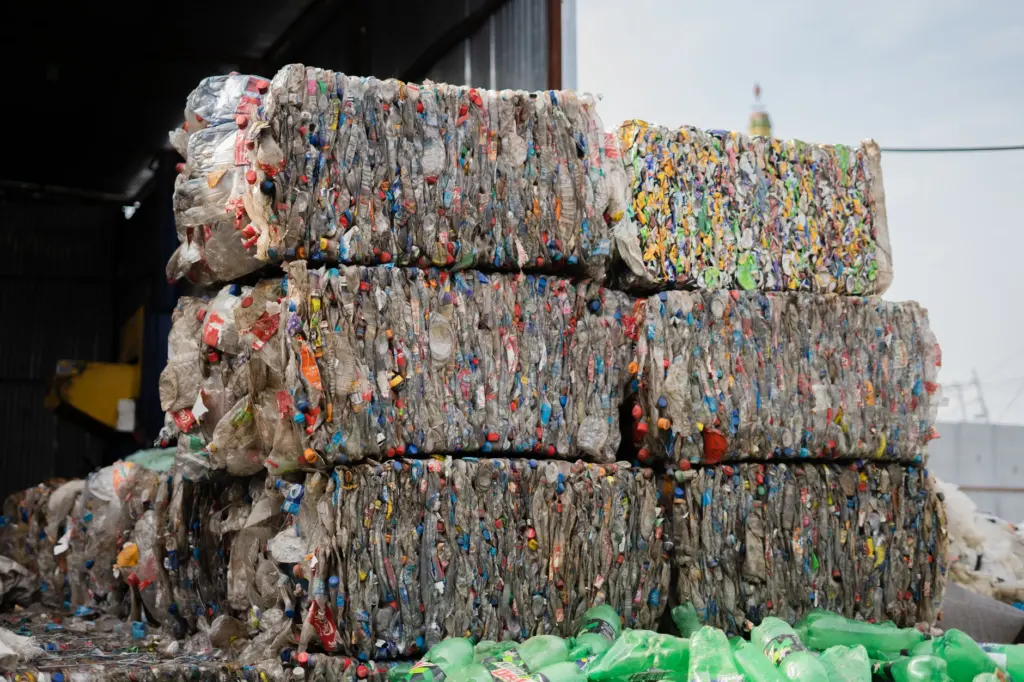
Mechanical recycling, the most common route, follows a fixed order. According to Banyan Nation, plastics are sorted, washed, shredded and extruded under heat without changing the basic molecular chains. Each step passes cleaner, more uniform material to the next.
Sorting at the materials recovery facility
A materials recovery facility (MRF) receives mixed recyclables and separates them into streams. Banyan Nation describes near-infrared (NIR) optical sensors that sort products according to resin code and color profile. Facilities also set their own acceptance rules; the Recycle Ann Arbor MRF takes only what can really be recycled, which keeps unsellable material out of the later steps.
Washing, shredding and separation
Once sorted, plastic is prepared for reprocessing. Plastic-recycling.net lists the preparation steps as shredding, washing, NIR optical sorting, density separation and electrostatic separation. Several separation methods are used because no single one catches every contaminant or stray resin. The aim is clean, uniform flakes of one resin.
Extrusion into reusable material
Clean flakes then go through compounding. The same source describes twin and single-screw extrusion, with controlled additive dosing and vacuum degassing. The additive dosing step is one reason recycled output can be tuned for a purpose rather than simply remelted.
How well each step works depends heavily on which resin is being handled, which is where resin codes come in.
Resin codes and what happens to each resin
A resin identification code names the plastic type, not whether your program will take the item. Recycle Ann Arbor states that the number inside the triangle does not necessarily indicate that the item is recyclable.
For households, resin type matters because recyclability depends on the plastic type, whether it can be effectively recovered, and whether markets exist. PET bottles are the most recyclable single-use plastic, with a 57% recovery rate in Michigan. #1 and #2 bottles, jars and jugs, which are the PET and HDPE containers, have the strongest domestic markets, and #5 tubs follow. #3 PVC sits at the other end, as it is not accepted at Recycle Ann Arbor in any shape.
The 57% figure is a Michigan recovery rate, so use it to compare PET with other plastics rather than as a prediction for your own cart. Treat resin as a guide to how likely recovery is, and your local list as the deciding rule.
Mechanical and chemical recycling compared
Chemical recycling uses thermal or chemical reactors to turn hard-to-recycle polymers back into their starting polymers, called monomers, according to Banyan Nation. Mechanical recycling leaves the molecular chains intact; chemical recycling breaks them down, which is why it targets material that mechanical methods struggle with.
- Mechanical recycling suits clean, sorted single resins. This covers most bottles and containers, and it is the route described in the step-by-step section above. Its limit is quality, since CalRecycle notes that plastic degrades each time it is recycled.
- Chemical recycling suits polymers that are hard to recycle. It aims to restore monomers for reuse, but the pack offers no throughput or cost figures, so do not assume it replaces careful sorting.
For a household, the route is not a choice. What you do control is the contents of the cart: single resins in accepted shapes feed every route best.
Frequently asked questions
Does the chasing arrows symbol mean an item is recyclable?
No. Recycle Ann Arbor notes that the symbol was created to communicate with producers, not consumers. Check the acceptance list of your local program instead.
What do recycled PET bottles become?
According to Recycle Ann Arbor, recycled PET goes into food and beverage bottles and containers, textiles, polyester, carpet, luggage and furniture. See the Recycle Ann Arbor guide for details.
What happens to plastic bags that are collected?
Where a program takes them, empty, clean and dry #2 shopping bags are accepted at a drop-off station and recycled into composite plastic lumber, per Recycle Ann Arbor.