
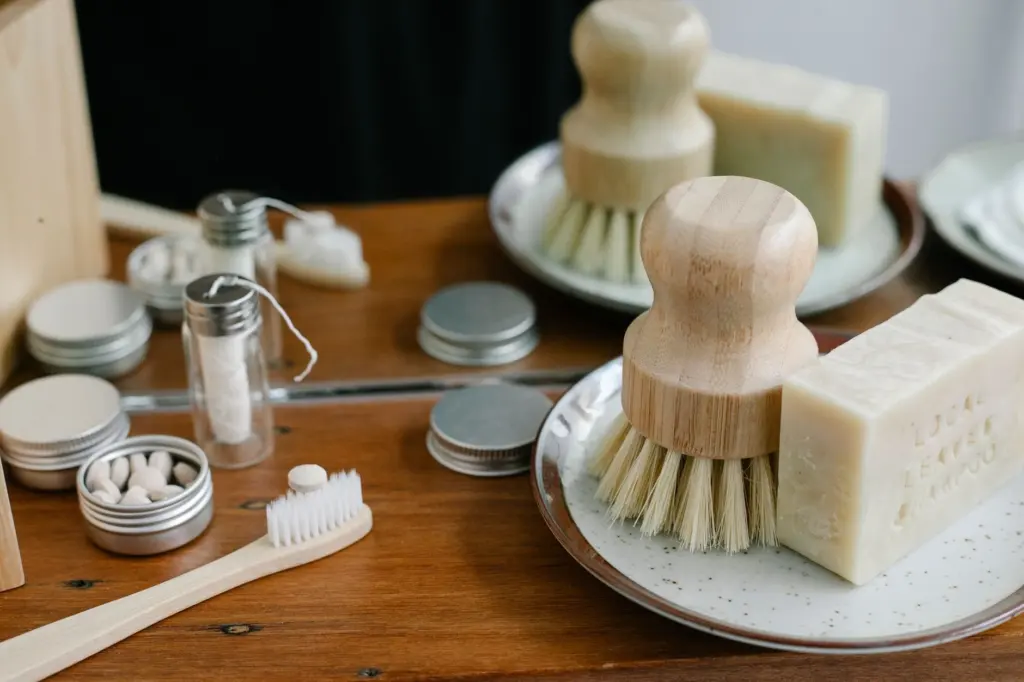
Zero waste toothpaste, usually chewable tablets sold in glass, metal or refill packaging, is only as useful as its active ingredient. Pick a sodium fluoride formula or a nano hydroxyapatite one, then compare packs by monthly cost rather than sticker price.
The switch is one small step in how to live more sustainably, and it is easy to get right once you know what the tablets contain and how they are used.
How tablet toothpaste replaces the tube
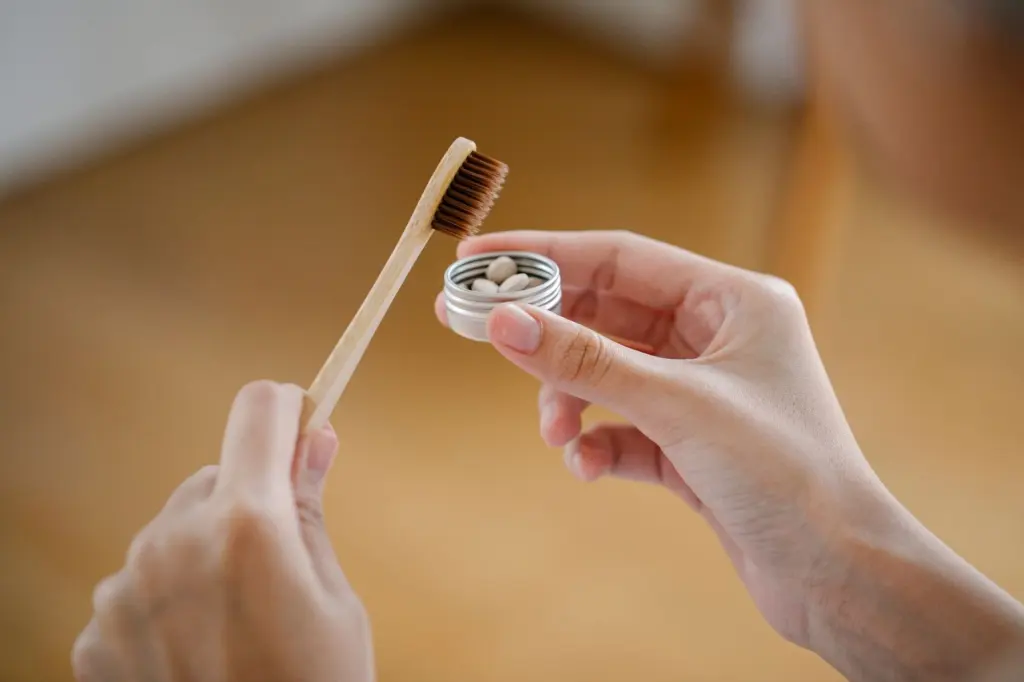
Toothpaste tablets are a dry, solid version of paste: you crush or chew one, then brush with a wet toothbrush. Unpaste’s directions say to crush the tablet and brush with a wet brush, then rinse. Bamboo Switch’s directions say to chew one tablet first and then brush. Both brands tell you to brush with a wet toothbrush, so the tablet needs no tube, pump or squeeze.
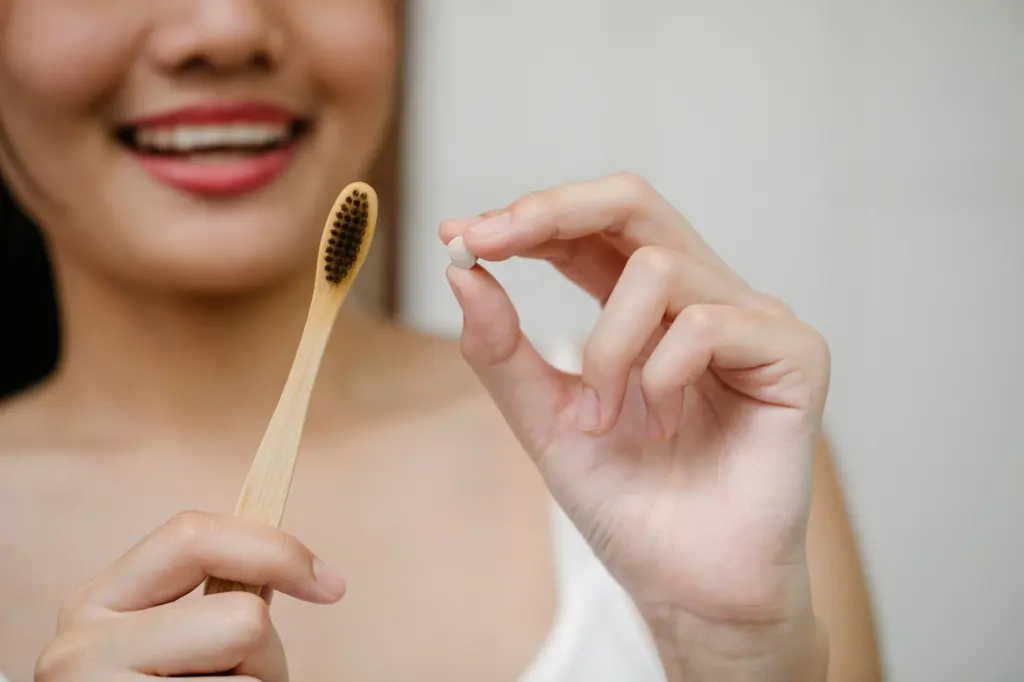
That is the environmental point of the format. Plastic tubes are the container most people throw away. A dry tablet can sit in a glass jar, a metal tin or a refill bag instead. The sections below separate what is in the tablet, how to use it, what the packaging looks like and what it costs.
Fluoride or hydroxyapatite: choosing the active ingredient
The main decision is the active ingredient, because that is what determines how a tablet protects your teeth. The two options in the products reviewed here are sodium fluoride and nano hydroxyapatite.
Fluoride formulas
Unpaste lists sodium fluoride in its fluoride formula and states that it “fights cavities” (Unpaste product listing). That is the maker’s claim about its own formula. If you want to keep a familiar fluoride active and only change the format, a fluoride tablet is the closest match to a conventional tube. Check that the label names the fluoride compound, because fluoride is only in the formula marked as the fluoride version.
Fluoride-free formulas
Unpaste’s newer fluoride-free formula is “powered by nano hydroxyapatite”, and Simply Zero’s tablets are likewise labelled fluoride-free and made with nano-hydroxyapatite. These suit people who deliberately avoid fluoride. Be clear about the trade-off when you choose one: you are swapping the active, not just the packaging. If a dentist has recommended fluoride for you or your child, stay with a fluoride tablet and discuss any change with the dentist first.
Other ingredients that change the choice
- Nanoparticles. Bamboo Switch states that its tablets contain neither aluminum nor nanoparticles (Bamboo Switch product page). If you want to avoid nanoparticles, the nano hydroxyapatite formulas above are not for you.
- Xylitol. Package Free’s tablets list xylitol alongside calcium carbonate, sodium bicarbonate and cream of tartar (Package Free ingredient list). Unpaste says its formula does not contain xylitol, SLS or microplastics. Read the ingredient list if you have a preference either way.
A short, readable ingredient list is the practical test of a good tablet. If a brand does not publish its list and its active, buy something else.
Using tablets step by step
Tablet brushing takes a few seconds more than squeezing a tube, and the routine is the same twice per day, as Bamboo Switch directs. The steps combine the Unpaste and Bamboo Switch directions linked above.
- Wet your toothbrush. Both brands say to brush with a wet brush.
- Chew or crush one tablet. Use a single tablet per brushing, chewed in your mouth as Bamboo Switch describes or crushed as Unpaste describes.
- Brush as normal. Use your wet toothbrush on your teeth as you would with paste.
- Rinse. Rinse your mouth when you finish.
Keep the tablets in their jar or tin between uses, and take out only the number you need for each brushing.
Packaging, refills and plastic tubes
The packaging is where zero waste toothpaste earns its name, and the options vary by brand. Bamboo Switch sells its tablets in a glass jar or as a refill bag, so you can reuse the jar and buy only the refill. Simply Zero packs 62 tablets, one month’s supply, in a single aluminum tin (Simply Zero product page). Package Free describes its glass jar and metal lid as recyclable in glass and metal recycling, along with a recyclable paper label.
A refill bag is the lowest-packaging option when you already own a jar or tin. If you live where recycling collection is patchy, a reusable jar you keep and refill is the better fit than a pack you must send for recycling.
Swapping the tube does not remove plastic from your household entirely. To see where the plastic you still buy ends up, read How Plastic Recycling Really Works: A Practical Guide To The Process In 2026 – Greencrowding.
Cost per month compared with tube toothpaste
Tablet packs look expensive on the shelf, so compare them by the monthly cost rather than the sticker price. Pack sizes differ, and brands count supply differently, so work out how many tablets you use each day. Bamboo Switch directs one tablet per brushing, twice per day. Unpaste states its supply length directly.
| Product and pack | Price | Supply or directions | Planning use |
|---|---|---|---|
| Unpaste fluoride tablets, 125 tablets | $12.95 | 2 month supply, about $6.48 per month | The only listing here that states a monthly cost, so the easiest to compare with a tube. |
| Bamboo Switch tablets, 90 tablets in glass jar | $18.00 | One tablet per brushing, twice per day | Divide the pack by your daily tablets to find how long it lasts, then compare with your tube. |
Prices and pack sizes come from the Unpaste listing and the Bamboo Switch product page.
Package Free lists 80 tablets at $15.00, with no supply length shown (Package Free product page). Treat that price as incomplete until you know how many tablets a month you use. To judge the saving, set the monthly figure for your current tube beside these numbers, and include a refill bag price if you reuse a jar.
Is it worth switching?
Zero waste toothpaste is worth trying if you want to drop plastic tubes and you are willing to read an ingredient list. It suits you in these cases:
- You want fluoride and less packaging. Choose a sodium fluoride tablet such as Unpaste’s fluoride formula, in a glass jar or refill bag.
- You prefer fluoride-free. Choose a nano hydroxyapatite tablet such as Simply Zero’s, and check that nano ingredients suit you.
- You avoid nanoparticles or xylitol. Compare labels first, since the brands differ on both.
- You are still unsure about effectiveness. Stay with your current paste until a dentist has looked at your teeth and your preferred active.
The same habit of checking what you buy and how you dispose of it applies to compost and other household loops, as in Composting Horse Manure: A Simple 6-Step Guide To Safe, Nutrient‑Rich Compost In 2026 – Greencrowding.
Frequently asked questions
Does zero waste toothpaste contain fluoride?
It depends on the product. Unpaste’s fluoride formula contains sodium fluoride, while its newer fluoride-free formula and Simply Zero’s tablets use nano hydroxyapatite instead.
Can I swallow a toothpaste tablet?
No. Unpaste’s directions say not to swallow the tablet: crush it, brush with a wet brush and rinse.
Can the packaging be recycled?
Package Free says its glass jar and metal lid are recyclable in glass and metal recycling, and its paper label is recyclable too. Bamboo Switch offers a refill bag as an alternative to a new jar.