
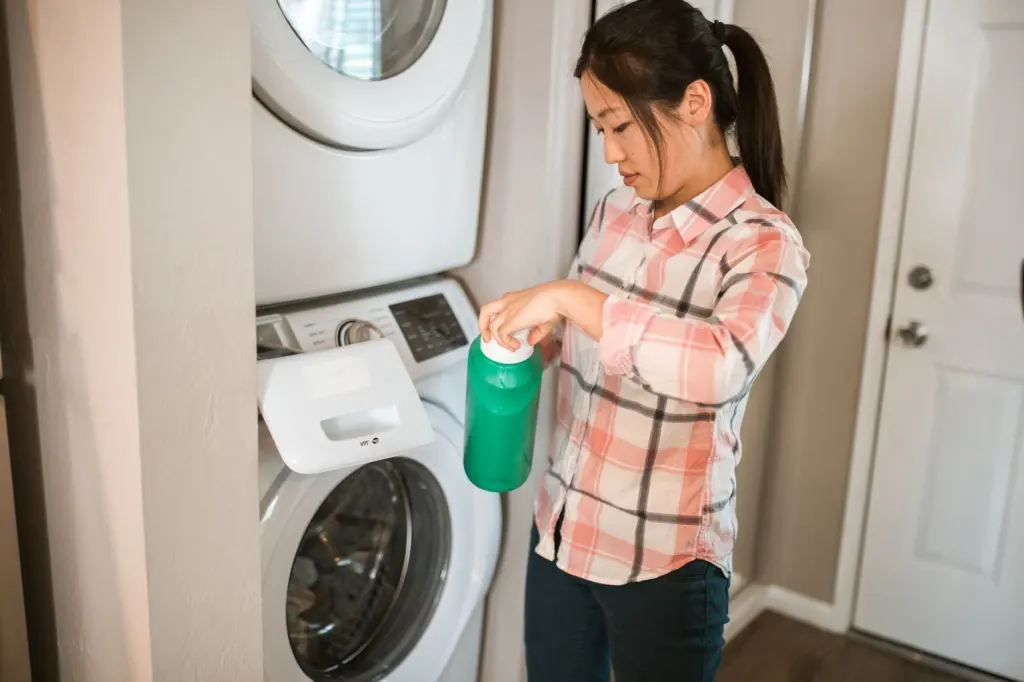
Quick answer: Zero waste laundry detergent means a format that avoids single-use plastic, such as powder in a box, solid tiles, sheets or refills. Choose by cleaning performance first, because a plastic-free product that fails to clean only creates repeat washes.
It is one small part of how to live more sustainably, and it pairs naturally with the wider plastic-reduction habits in 10 Practical Ways To Reduce Plastic Pollution Today (Simple Steps For 2026) – Greencrowding.
What zero-waste laundry detergent actually means
Zero-waste laundry detergent is a detergent sold so that little or no throwaway packaging is left after the last load. The usual routes are four. Detergent sheets dissolve in the wash. Laundry powder comes in a cardboard box. Refill stations let you top up a bottle you already own. Homemade mixes are stored in a reusable jar. Each route removes the familiar plastic jug, but none of them is automatically the best at cleaning.
That difference matters. The packaging is the visible part of the waste problem, yet the detergent still has to do its job. Wirecutter’s testing of plastic-free options makes the point directly: just because a laundry detergent comes in plastic-free packaging, it is not automatically a more sustainable choice. Treat the label “plastic-free packaging” as one criterion alongside cleaning results, price and what happens to the container afterwards.
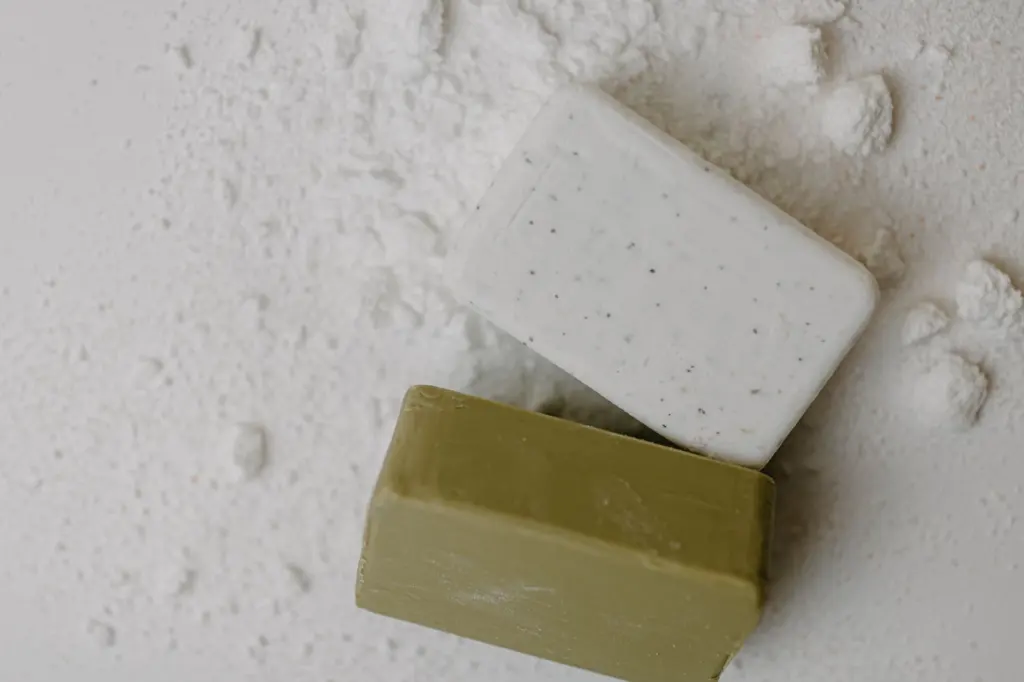
Cleaning performance by format
Cleaning performance varies a great deal between zero-waste formats, so sheets, powders and tiles should not be treated as interchangeable with each other or with liquid.
Detergent sheets
Sheets are the weakest performer in the supplied testing. Wirecutter’s reviewers wrote that they found laundry detergent sheets “just, well, terrible at cleaning laundry”. Sheets suit very little: they are a poor fit for stained or smelly loads, and they are hard to recommend as a main detergent.
Weak cleaning also undermines the environmental case. The same reviewers note that with a poor cleaner you are more likely to have to wash stained or smelly laundry multiple times, which can mean repeat washes or hot-water cycles. Extra cycles use more water and energy and can cancel out the packaging saving.
Laundry powder
Powder is the most convincing low-waste format in the evidence available. Wirecutter found that one boxed powder outperformed all the other powders it tested, removing tough stains and odors. That does not mean every powder performs the same way, and it is a result within the powders tested rather than a comparison with every liquid. Still, a boxed powder is the sensible first thing to try if you want to leave plastic behind without giving up cleaning power. Cardboard is also easier to handle at the end of its life than a plastic jug; the guide on what goes in the recycling bin helps with the local rules.
Solid detergent tiles
Solid tiles sit in the middle. They performed better than sheets, but Wirecutter found they are not quite as effective on oily stains as traditional detergent. Tiles suit a household whose laundry is mostly lightly soiled clothing and bedding. If you cook a lot, wear work clothes or deal with greasy marks, keep a stronger option available for those loads.
Format comparison at a glance
| Format | What testing found | Packaging and cost notes | Planning use |
|---|---|---|---|
| Detergent sheets | Rated “terrible at cleaning laundry” in Wirecutter’s tests | Plastic-free packaging alone does not make a product more sustainable | Avoid for stained or smelly loads; risk of repeat washes |
| Boxed laundry powder | Outperformed all other powders tested; removes tough stains and odors | Cardboard box rather than a plastic jug | Strongest starting point for everyday low-waste washing |
| Solid detergent tiles | Better than sheets, but weaker on oily stains than traditional detergent | Solid format avoids liquid bottles | Suits lightly soiled loads; keep another option for oily stains |
| Hyper-concentrated liquid in a metal bottle | Cleaning result not the deciding factor in the review | Recyclable aluminum bottle; described as admittedly expensive | Worth it only if budget allows and you want liquid without plastic |
| Liquid from a refill station | Depends on the product you choose | Reviewer reports ecostore refill stations all over New Zealand, at approximately 32c per wash | Reuse one bottle; check local availability before committing |
Figures and findings come from Wirecutter’s plastic-free detergent testing and a reviewer’s account at Ethically Kate.
Cost per load
Cost per load is where zero-waste detergent most often disappoints, so compare it on the same basis as your current product. Divide the price you pay by the number of loads the pack states, and use the manufacturer’s dose rather than a generous scoop. Then add a realistic allowance for any load you have to repeat.
The supplied evidence gives two useful anchors rather than a full price table. At the expensive end, Wirecutter described a hyper-concentrated liquid in a recyclable aluminum bottle as admittedly expensive. At the other end, a reviewer in New Zealand put refilling ecostore liquid at about 32c per wash, with refill stations all over the country. Prices elsewhere will differ, and the reviewer’s figure applies to that product and market.
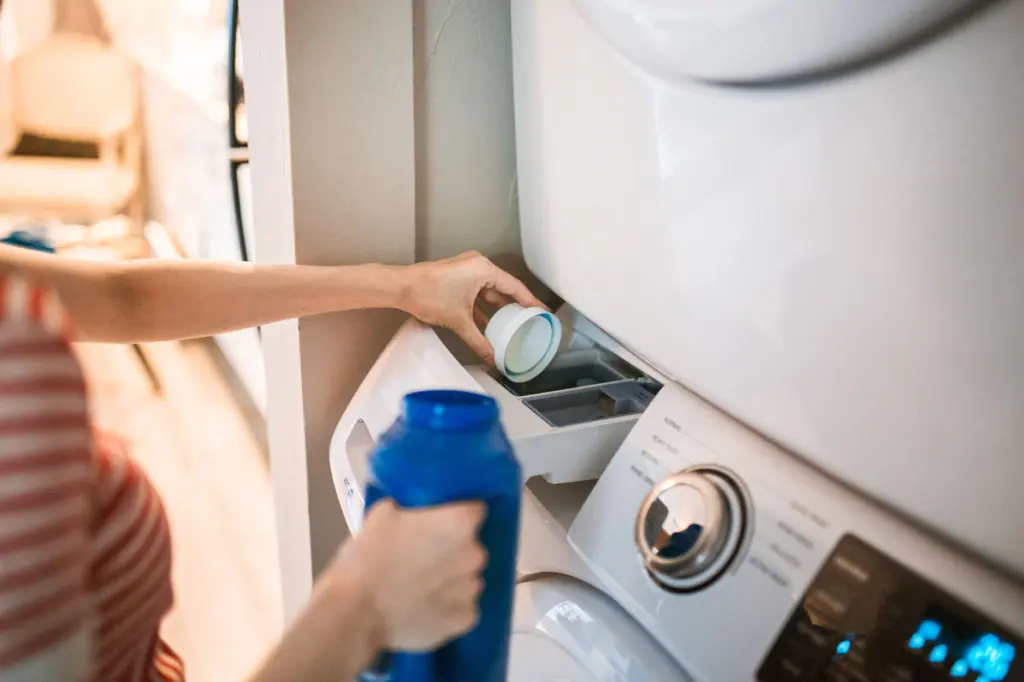
A cheap-looking format that cleans badly is not cheap. Count a failed wash as a second load, and the weakest format on price can become the most expensive. Powder and refills are usually the easiest formats to measure out accurately, because you control the scoop.
Packaging, recycling and refills
Packaging is the main reason to switch, but the container’s end of life deserves a check. A recyclable aluminum bottle helps only if it is actually recycled where you live, and a cardboard box helps only if the rest of the product does its job. The same logic applies to plastic-free claims on sheets: the packaging may be minimal, yet the product may drive extra washes.
Refill stations are the most direct way to keep using a liquid. You bring a bottle, fill it, and keep reusing the same container. Availability depends on where you live: the reviewer’s report of refill stations nationwide applies to New Zealand and ecostore liquid. Elsewhere, look for local zero-waste shops and co-ops before assuming a station is nearby. If none is within reach, a boxed powder is the more practical route.
Making your own laundry detergent
Homemade laundry powder, typically built from ingredients such as washing soda and soap flakes, appeals because the ingredients can be bought in bulk and stored in a reusable jar. It also puts the burden of testing on you. Judge a DIY mix by the same standard as any product: does it remove stains and odors from a test load, and does it avoid leaving clothes needing a second wash?
Handle DIY safely. Label the jar with its contents, keep it away from children and food, and try the mix on an inconspicuous item before trusting it with colored or delicate fabrics. Follow garment care labels, because a mix that works on towels may not suit everything you own. If a first batch performs poorly, switching to a proven boxed powder is better than repeating washes to compensate.
Low-waste laundry habits that support the switch
- Test before you commit. Run a normal load of your usual mix of clothes with the new format and check the stains and odors afterwards. A poor result is a reason to change format, not to rewash.
- Dose to the label. The pack’s measuring guidance is the benchmark for cost per load, and over-dosing makes any format look more expensive than it is.
- Match format to the load. Use tiles or powder for everyday items and keep a stronger option for oily or heavily soiled clothes, since tiles are weaker on oily stains.
- Reuse containers. Keep one refill bottle or jar in rotation instead of buying new containers each time.
- Dry on a line where care labels allow. It fits the same low-waste approach and avoids using the dryer for everything.
Keep switching gradual. Finish what you have, try one format, and only then change the rest of your laundry routine.
Frequently asked questions
Where can I find laundry detergent refill stations?
Availability depends on location. A reviewer reports refill stations all over New Zealand for ecostore liquid. In other places, check local zero-waste shops and co-ops, and fall back on a boxed powder if none is near you.
Is a metal-bottle concentrated liquid worth the price?
It depends on your budget and priorities. Wirecutter calls the option admittedly expensive but notes the recyclable aluminum bottle. It suits someone who wants liquid without plastic and can afford it; otherwise a boxed powder is the better value.
Should I switch my whole laundry routine at once?
No. Try a single format on ordinary loads first, check how stains and odors fare, and finish your current detergent before changing further. This avoids wasting product if the new format underperforms.