
| Planning area | What the figures show | Planning use |
|---|---|---|
| Current market price | LevelTen averages reported on April 17, 2026: $79.40/MWh for wind and $64.49/MWh for solar, the highest since 2018 | Treat older quotes as out of date and re-price the business case before approving a budget. |
| Recent price movement | Solar PPA costs up 13% and wind up 24% on a year earlier; North American solar rose 4.7% in the first quarter of 2026 | Prices have been rising, so allow for approval time and avoid open-ended delays. |
| Contract term | Short-term usually 2 to 5 years; long-term 5 to 20 years; fixed-price deals commonly 10 to 20 years; tenors typically 2 to 30 years depending on the market | Match the term to how long your site and electricity load will stay in place. |
| Spot price volatility | Power market prices can change every 5 to 30 minutes | Decide whether you want a fixed price or a structure that settles against the spot market. |
Price figures come from Utility Dive’s report on LevelTen’s PPA price data, and the term and volatility figures from Pexapark’s PPA guide.
A PPA power purchase agreement is a contract between a renewable energy generator and a purchaser. For a business buyer it trades price certainty for a long commitment, so the term and structure matter more than the headline price.
This guide sits within our wider coverage of clean energy for small business. It covers what a PPA changes for a buyer, the risks, and how the main structures work.
What a PPA changes for a business buyer
Signing a PPA moves your electricity cost from a floating market rate to a contracted one, and it ties you to a counterparty and a project for years. The practical effects are below.
- Price certainty. Next Kraftwerke calls PPAs an effective way to reduce electricity price risk, and frames the benefit mainly for plants with high investment and low operating costs. For a buyer, that means a rate you can budget against rather than a spot price you cannot. A fixed price per MWh over a long tenor, as Pexapark describes, holds that rate for the whole contract. It suits sites with stable, predictable load.
- Renewable claims. In EPA’s landfill-gas guidance, the electricity is bundled with green attributes, including renewable energy certificates, and a physical PPA sells the power together with its associated certificates. Before you make any renewable-use claim, confirm that the contract transfers those certificates to you.
- Financial rather than physical hedging. Under a virtual structure the buyer is not taking physical delivery, so the contract works as a hedge alongside your normal supply rather than as the supply itself.
- Commitment. A long tenor protects you if prices rise, but it also holds you to the contract if your needs change. A business that may relocate or shrink should weigh that before choosing the longest term on offer.
Where PPA prices stand and why
Recent pricing argues for moving carefully but not indefinitely. Utility Dive reports that average wind and solar PPA prices have reached their highest rates, and it lists project cancellations, permitting delays and costs, labor shortages, tariffs and rising insurance premiums as the pressures behind the increase.
Those are supply-side costs that a single buyer cannot negotiate away, so every quote reflects them. Rising prices have also pushed some buyers out of the PPA market. If your internal approval was built on older prices, re-run the numbers before committing. If the price no longer clears your threshold, the alternative is owning generation, and How Much Does a Wind Turbine Cost in 2026? Real Prices, Examples, and What Affects Your Bill – Greencrowding shows what that route involves.
Risks to weigh before signing
The main risks for a buyer come from the length of the commitment and from market-linked settlement. They are manageable when they are priced in before signing.
- Starting over. EPA’s guidance notes that more time and money may need to be invested when starting over with a new buyer and new PPA. The same applies to a buyer whose project or counterparty falls away, because the replacement search happens at whatever prices then prevail.
- Spot price swings. Pexapark describes power market prices as extremely volatile. Under a virtual PPA that settles against the spot price, settlement amounts move with them, so finance teams should expect variable cash flows even when the agreed price is fixed.
- Entering at a high point. A long fixed-price contract signed while prices are elevated keeps that price in place for its whole tenor. This is a reason to compare tenor options rather than default to the longest.
- Clause detail. Have energy counsel review termination, credit-support and curtailment clauses. These decide who bears the loss if the project underperforms or a party defaults.
How the main PPA structures work
Next Kraftwerke describes a PPA as a long-term electricity supply agreement between two parties, often a producer and a customer. The customer is called the offtaker, which Pexapark defines as another name for the energy buyer.
Generators sign these contracts because projects are expensive to build. Pexapark puts a typical European 100-megawatt wind farm at EUR 1 to 2 million per MW to build, and a fixed-price contract protects the revenue that repays that cost. Three structures cover most deals.
On-site PPA
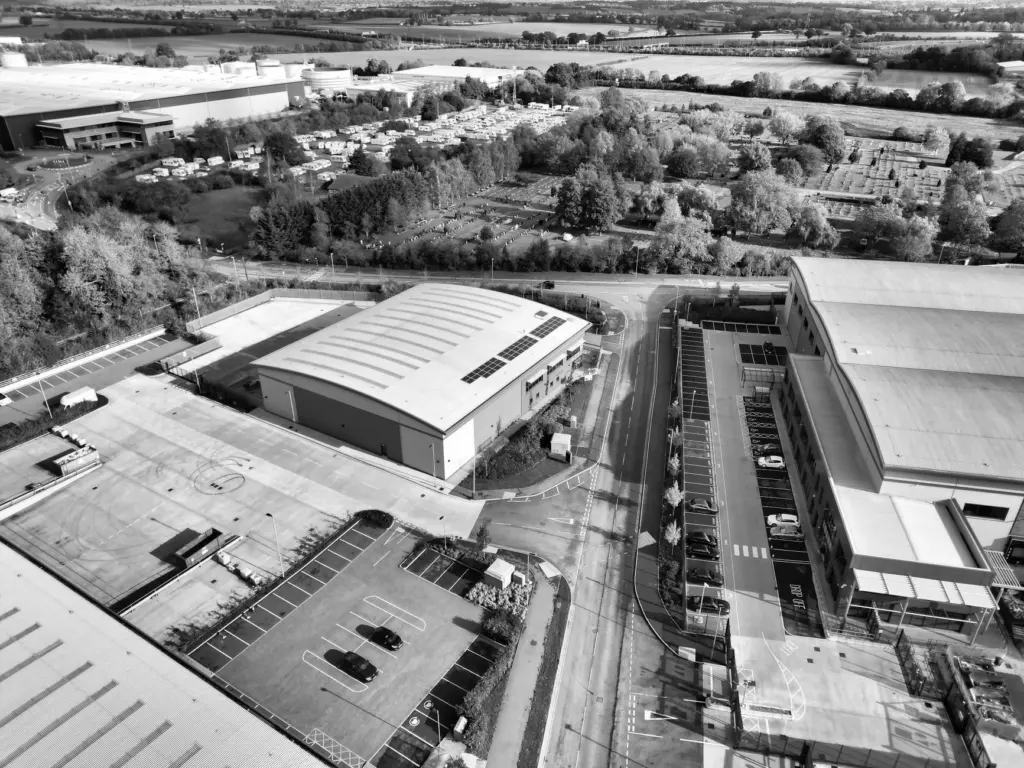
In an on-site PPA the generation plant sits behind the consumer’s meter. It suits businesses with a suitable roof or land, and it is the closest of the three to the building it serves. Smaller sites that would rather own generation outright can compare that route in Home Wind Turbines: The Practical Guide To Choosing, Installing, And Saving In 2026 – Greencrowding.
Off-site physical PPA
Off-site PPAs do not create a direct physical supply between the plant and a nearby consumer, since the power travels through the public grid, according to Next Kraftwerke. EPA’s guidance describes the project selling power and associated RECs to an energy supplier or corporate purchaser under a physical PPA. This structure suits a buyer that wants real energy and certificates from a project away from its own premises.
Virtual PPA
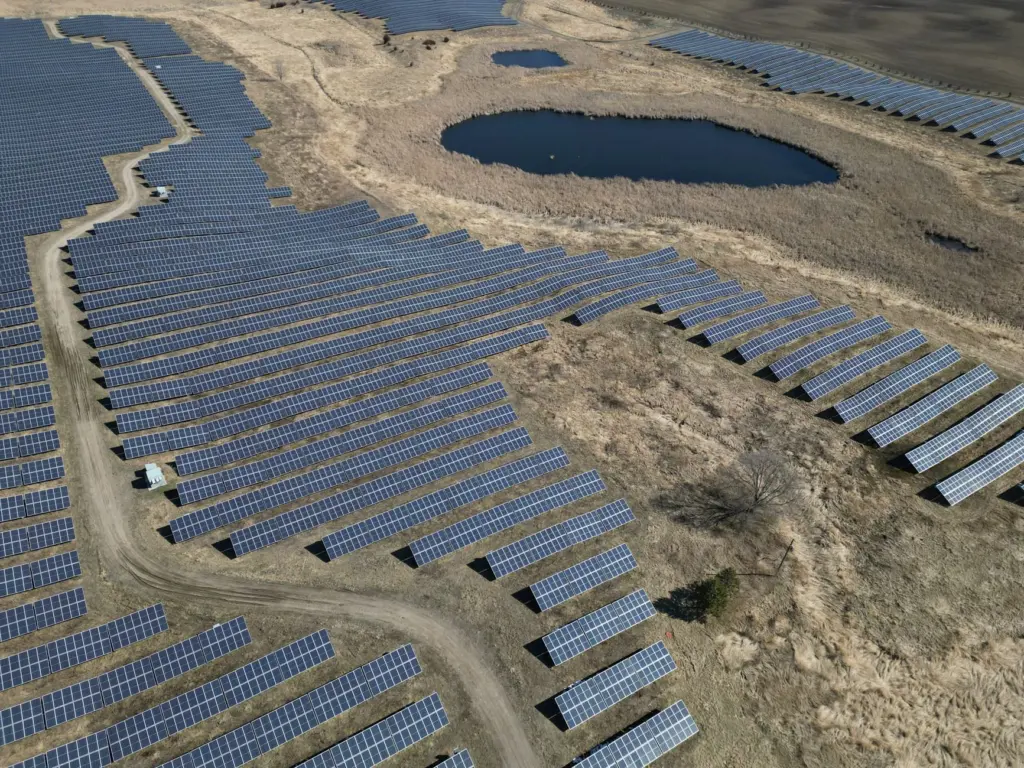
A virtual PPA involves no physical delivery to the buyer. The synthetic version works as a contract for difference, with payments that compensate for the difference between the agreed PPA price and the actual spot market price. It suits buyers who want the price hedge and project backing without taking delivery, and who can tolerate settlement swings.
Contract term and pricing mechanics
Term length is the clearest trade-off in a PPA. The ranges in the table above show how much tenor varies by market, from short deals to terms well beyond a decade. EPA’s landfill-gas example runs for 20 years, expiring in 2032, with an option to extend.
The extension option is the useful detail for a buyer. It lets you re-open the arrangement near expiry without starting a new search from scratch.
Pricing follows two basic patterns in the supported material. A fixed price per MWh for a long tenor gives a stable budget line, and a spot-settled structure leaves part of the outcome tied to the market. Choose fixed pricing if budget stability matters most. Choose a spot-settled structure only if your finance team can absorb variable settlements.
Frequently asked questions
Can a virtual PPA buyer be located anywhere?
Within the United States, yes. EPA states that with a virtual PPA the buyer can be located anywhere in the United States because it is not taking physical delivery.
Can a business always buy directly from a generator?
No. For biogas generators in regulated states, EPA says utilities are the only permitted buyer of the power, so confirm whether direct sales are allowed in the project’s state before negotiating.
How common are PPAs for voluntary green power?
EPA reports that in 2021 more than 600 off-takers obtained about 73 million megawatt-hours of voluntary green power through PPAs. That was 23 percent growth over 2020.