
| Method | What to expect | Planning use |
|---|---|---|
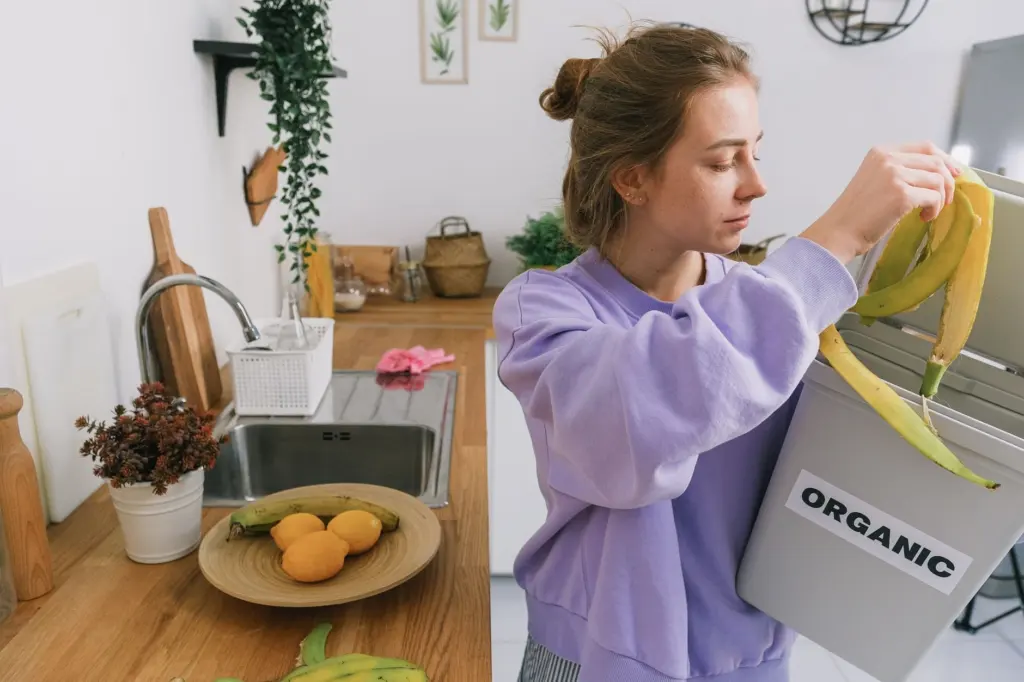
| Countertop bin | Freezing scraps avoids odors until the bin is emptied | Suits a small kitchen; keep a freezer bag for scraps if smell worries you or the bin fills slowly. |
| Bokashi bucket | Scraps and bran are layered; after two weeks the contents are buried in a planter or taken to a compost site | Choose it if you have a planter or a compost site to receive the fermented material. |
| Worm bin | Takes peels, coffee grounds, fruit and vegetables; citrus and meat scraps are avoided; fits under the sink, in a closet or on a balcony or small patio (weather permitting) | Best if you want finished compost at home and can give the worms a steady, restricted diet. |
| Pickup service | Scraps from an airtight bucket are collected every week or two and delivered to a local composting site | The lowest-effort route if a service operates in your area and you do not need the compost back. |
| Electric countertop composter | Breaks food down in a few hours or days; costs more and uses electricity | Worth considering only if speed matters more than price and power use. |
These figures and tips come from a renter-focused composting guide and a plastic-free living guide.
How to compost in an apartment depends on your space and tolerance for upkeep: a countertop bin, bokashi bucket or worm bin processes scraps at home, while a community drop-off or pickup removes them.
Composting is one of the simplest habits to start if you want to learn how to live more sustainably, and the right method keeps the effort and smell low.
Effort, cost and yield in a small space
Apartment composting is a small daily job rather than a project. A composting guide for apartment dwellers describes it as something you can generally do with a few minutes of work per day once the system is set up. The trade-off is scale. Indoor and small-space composting reduces the amount of matter you can compost and the amount of finished compost you create, according to the renter-focused guide.
That limit shapes which method is worth choosing:
- Choose a home system for a small, steady supply. If you mostly want compost for houseplants or a balcony planter, a modest output is enough.
- Choose a drop-off or pickup for large volumes. A household that cooks heavily from scratch will outgrow a bucket quickly, and an outside service removes the storage problem.
- Treat an electric composter as a convenience purchase. It breaks food down in a few hours or days, but it costs more and brings an electricity trade-off, so it only makes sense when speed outweighs both.
- Do not expect a harvest from a countertop bin alone. It holds scraps; the finished compost comes from the system you empty it into.
Does apartment composting smell?
A healthy system gives off at most a mild earthy smell. According to the apartment composting guide, compost should not have a strong unpleasant odor, so a sharp or rotten smell means something needs fixing.
Why a bin starts to smell
Lack of air is the usual cause. The same guide explains that insufficient air can lead to foul-smelling anaerobic decomposition. If your bin turns sour, check that scraps are not packed down airless or sealed in without any dry material mixed in.
Keeping odor down
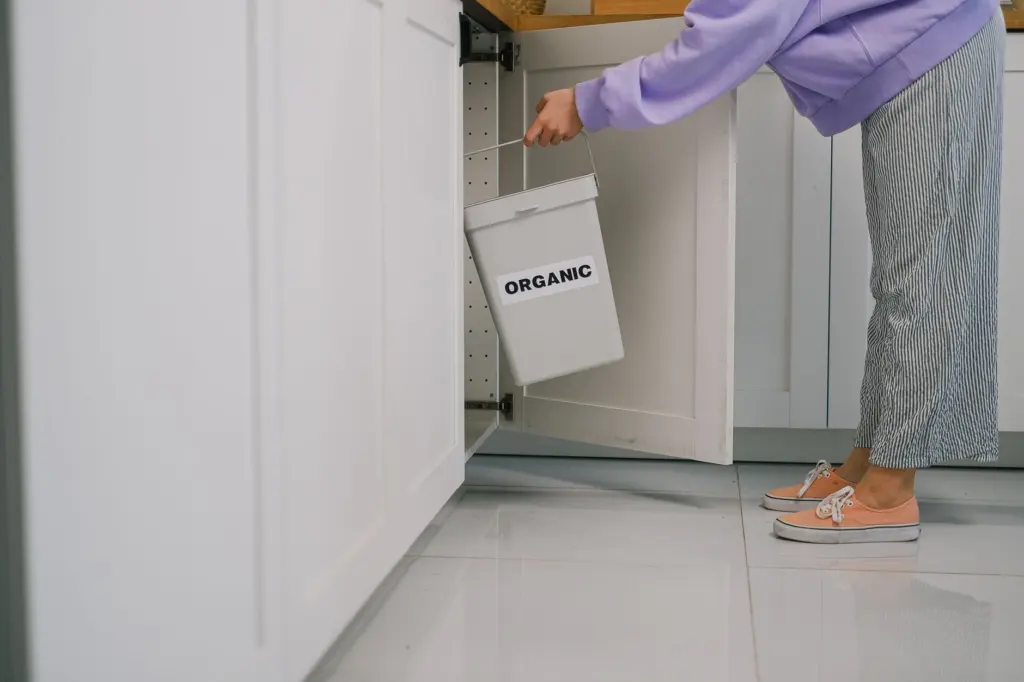
A well-fitting lid and charcoal filters help minimize whatever smell the compost does emit. Place the bin where you can reach it easily so it gets emptied before it builds up. A cabinet works well for a compact bin, because it keeps the container out of sight and away from the warmest part of the kitchen.
Where to take scraps if you do not compost at home
Start with your local government. Municipal sanitation or environmental authority websites will typically list the composting options in your area, which is the most reliable way to find out about local programs and any rules that apply.
- Curbside or subscription pickup. Where a service exists, scraps go into an airtight bucket and are collected every week or two, then delivered to a local composting site, as described in the renter-focused guide. This suits people who want no processing at home.
- Farmers’ markets. Many farmers’ markets collect food scraps, though availability varies by place, so check the market’s own information before you carry a bucket there.
- ShareWaste. This app connects compost hosts with donors. It is a useful fallback if there is no pickup or drop-off nearby, and the same guide notes it is free.
Choosing between bokashi, worm bin and countertop bin
The easiest method is the one that fits how often you will actually handle scraps. A countertop bin asks for little more than the few minutes a day described above, and a pickup service asks for even less. Home systems that produce something usable need more attention.
Bokashi
Bokashi is a sealed-bucket method. You layer scraps and bran, and after two weeks you bury the contents in a planter or bring them to a compost site, according to the plastic-free living guide. It suits renters who want a tidy bucket but still have somewhere for the fermented material to go.
Worm bin
Vermicomposting is composting in an enclosed worm bin. It rewards you with finished material at home, but the worms set the rules: the same guide says to avoid citrus and meat scraps and to stick with peels, coffee grounds, fruit and vegetables. Choose it if you can keep the diet consistent and want compost for your own plants.
Which to pick
- Pick a pickup service if you want the least effort and do not need compost back.
- Pick bokashi if you want a compact bucket and have a planter or compost site for it.
- Pick a worm bin if you want usable compost at home and do not mind managing what the worms eat.
- Pick a countertop bin as a holding container alongside a drop-off or another system.
What goes in and why it matters
Food scraps that end up in landfill lack light and oxygen, and the apartment composting guide notes that this means they produce methane as they break down. Composting at home or through a drop-off avoids that route for your kitchen waste.
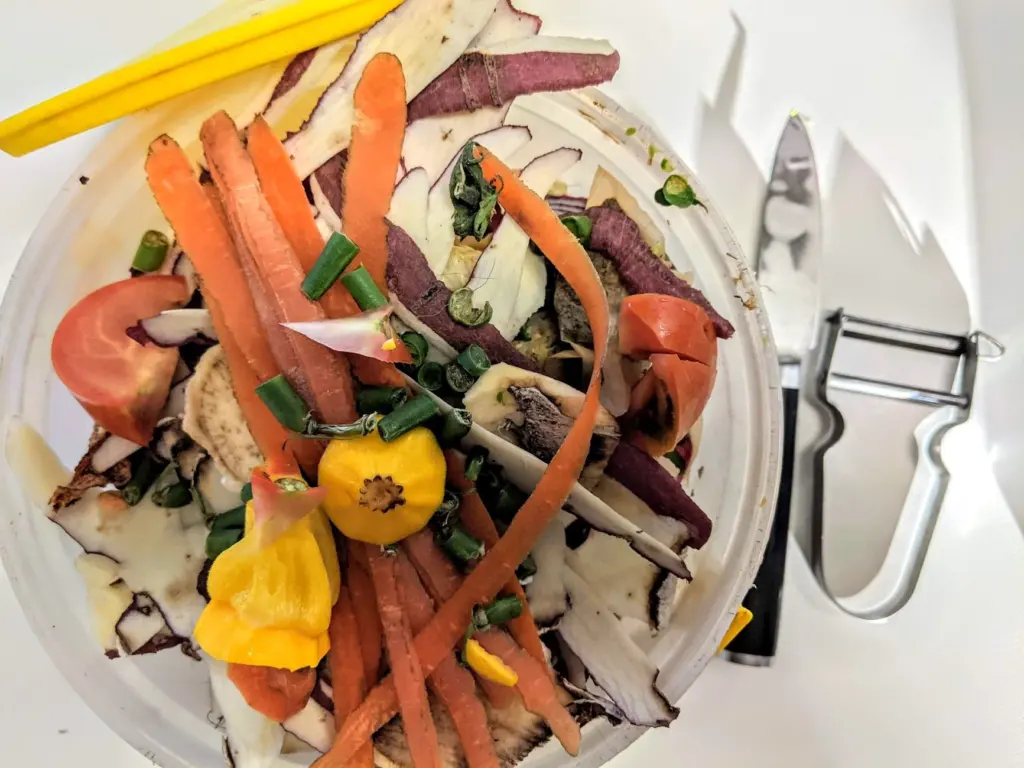
Home composting balances browns and greens. Browns are carbon-rich and greens are nitrogen-rich, as the apartment composting guide from a travel site puts it. Many composting experts recommend an approximately 4:1 mixture of browns to greens, but treat that as a flexible guideline rather than a rule. Vegetable peelings, coffee grounds and fruit scraps are typical greens, while shredded paper or cardboard are common browns for the dry side of the mix.
Knowing when compost is ready
Mature compost is dark, crumbly and earthy-smelling. If yours still smells sharp or looks like recognizable food, it needs more time. Because small systems produce modest amounts, plan to use the result in pots or planters rather than expecting a large harvest.
Worm bins produce castings: the worms’ waste forms a nutrient-rich humus that can be added to soil or used as compost tea, according to the renter-focused guide. Bokashi contents go into a planter or a compost site rather than straight onto plants. Whatever the method, finished compost works best as a soil amendment for the plants you already keep.
Next steps for a lower-waste home
Composting works well alongside other everyday choices. If you are thinking about what you buy as well as what you throw away, see The Most Sustainable Fashion Brands In 2026: Eco-Conscious Labels Worth Your Wardrobe – Greencrowding. For another habit that fits a small home, read 10 Practical Ways To Reduce Plastic Pollution Today (Simple Steps For 2026) – Greencrowding.
Frequently asked questions
Can I compost meat and dairy in an apartment?
Not in most home systems. Unless you use a bokashi bin, meat and dairy products should stay out of the compost.
Can compostable trash bags go in a home compost bin?
They are not designed for it. Compostable trash bags are made for commercial composting rather than at-home composting, so line a home bin with something else or leave it unlined.
Can I use a plastic tote as a worm bin?
Yes, but you need to modify it. Drill air holes in the top of a worm compost bin so the worms and the bedding get enough air.