

What are renewable energy certificates? A REC is a tradable record of the environmental attributes of one megawatt-hour of renewable generation. A business holds it to substantiate a renewable electricity claim, not to change the power its building receives.
The certificate covers the attributes, not the electrons, so what you can say publicly depends on how you buy and retire it. The EPA Green Power Partnership describes the instrument in detail. For the wider set of options, including on-site generation and utility programs, see our guide to clean energy for small business.
How a REC is created and tracked
A REC exists because a generator produced renewable electricity and delivered it to the grid. The EPA says RECs are issued when one megawatt-hour (MWh) of electricity is generated and delivered, and the utility Eugene Water & Electric Board describes the same unit as one REC for every 1,000 kilowatt-hours. That fixed unit is what lets a buyer match certificates to metered consumption in the same measure.
The path from generation to a certificate you can hold follows an order:
- Generation and delivery. Each MWh of renewable electricity delivered to the grid is the trigger for one certificate. Nothing is issued for output that was not generated and delivered.
- Issuance in a tracking system. According to Retail Energy Choice, ten regional tracking systems oversee REC issuance. Certificates are then transferred into the electronic account of the generator that produced the power, with GATS named as one such system. In the western grid region, EWEB names the Western Renewable Energy Generation Information System (WREGIS) as the tracking system for its Greenpower RECs.
- Transfer to a buyer. The generator or a marketer sells the certificate, either bundled with the electricity or separately. The buyer then uses it to support a claim.
Each certificate carries data a buyer can inspect. The EPA lists several attributes, including the tracking system ID, fuel type, facility location and vintage. Retail Energy Choice summarises them as the source, location and year of generation. Those fields are what you check before purchase, because a claim is only as specific as the certificate behind it.
What a REC lets you claim
A REC lets an electricity consumer substantiate renewable use, because the grid itself cannot. The EPA explains that the physical electricity received through the utility grid says nothing of its origin or how it was generated. It adds that RECs are the instrument electricity consumers must use to substantiate renewable electricity use claims.
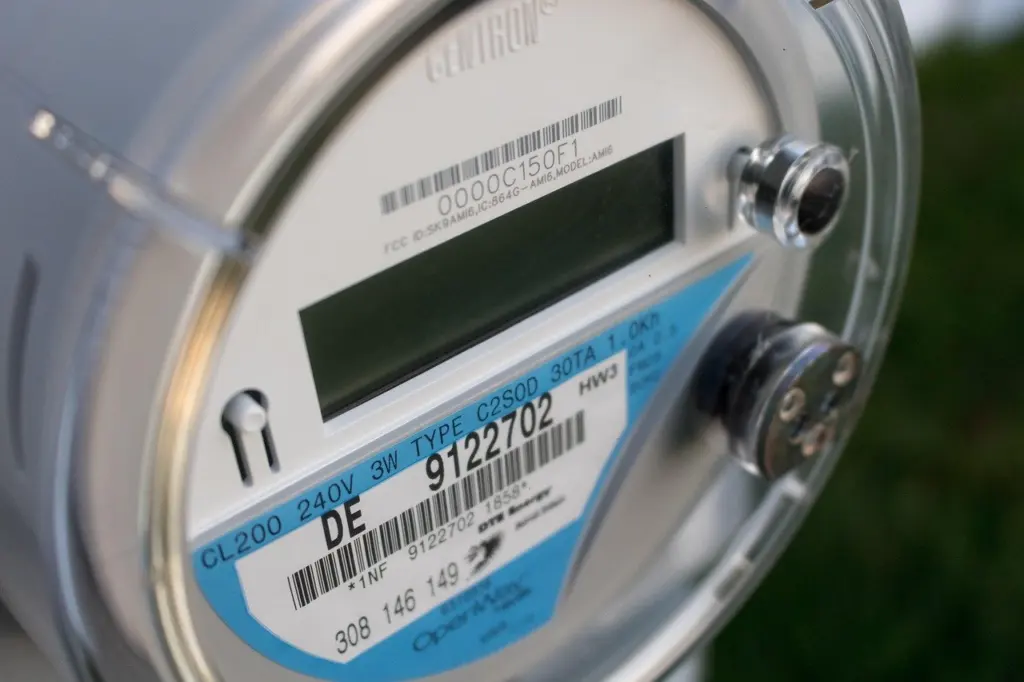
The EPA defines a REC as a market-based instrument representing the property rights to the non-power attributes of renewable generation. For a business buyer, that has a practical meaning. You are buying the right to describe a quantity of your electricity use as matched by renewable generation. You are not buying a different supply of power.

Emissions claims and their limits
Whether RECs reduce emissions depends on what you mean by the question. The Center for Resource Solutions says RECs carry the emissions characteristics of renewable generation, which makes them essential for credible greenhouse gas claims on delivered or consumed electricity. That supports an accounting claim about the electricity you use. It does not turn the certificate into a measure of emissions removed.
The EPA draws the line explicitly: offsets represent a metric ton of emissions avoided or reduced, while RECs represent attributes of one MWh of renewable electricity generation. A sensible buyer therefore words public statements around electricity use, such as matching consumption with renewable generation. Statements about tons avoided belong to a different instrument.
Marketing claims also face a legal baseline. Retail Energy Choice notes that the FTC Green Guides require REC marketing to be truthful, not misleading, backed by evidence and not unfair. In practice, keep a record of what you bought, which attributes it carried and how the statement on your website or report relates to that purchase.
Compliance and voluntary RECs
Compliance RECs exist to satisfy legal renewable requirements, while voluntary RECs are bought by choice beyond them. The two share the same unit and the same tracking logic, but they serve different buyers.
| Feature | Compliance RECs | Voluntary RECs | Planning use |
|---|---|---|---|
| Purpose | A utility can meet a renewable portfolio standard by developing its own renewable facilities or by purchasing RECs | Participation supports retiring RECs above and beyond those required by Oregon standards, in EWEB’s example | A business claiming renewable use is normally in the voluntary market; the legal obligation sits with the utility |
| Reach | Required in all 29 state compliance programs, according to the Center for Resource Solutions | Serves around 10 million customers and about 8% of all US retail electricity sales | Voluntary demand is large enough that buyers have a range of suppliers and products to compare |
Figures are from the Center for Resource Solutions and EWEB.
The practical consequence is about double use. A certificate that a utility needs to meet a mandate has already done a job, so a business should be clear about which market a seller is drawing from before relying on it for a voluntary claim. Ask the seller to state whether the certificates are voluntary and whether they will be retired for you.
Buying RECs as a business
You can buy RECs in two forms, and the choice shapes what you can claim. Retail Energy Choice explains that bundled RECs are sold together with the actual electricity generated from a renewable source. Unbundled RECs are sold separately, and consumers can purchase them to claim the environmental benefits of renewable energy without changing their electricity supplier.
Unbundled certificates suit a business that cannot choose its electricity supplier, such as a tenant, because the claim does not depend on the lease or the utility contract. Bundled purchases suit buyers who can contract for supply directly and want the electricity and its attributes to come from one source. Some utilities also run green power programs that retire RECs on customers’ behalf, which is the simplest route for a small buyer.
A buying checklist
- Size the purchase. Express your annual electricity use in MWh, since one REC corresponds to one MWh. Generation estimates, such as those in How Much Power Does A Wind Turbine Produce Per Day? Real Numbers, Examples, And How To Estimate Yours – Greencrowding, are also expressed in energy units, which helps when you compare buying certificates with owning generation.
- Choose bundled or unbundled. Decide based on whether you control your supply contract, as described above.
- Review the attributes. Check fuel type, facility location, vintage and tracking system ID against the claim you intend to make.
- Look at certification. Retail Energy Choice notes that alternate certifications like Green-e can be combined with RECs, which gives a buyer an additional layer of assurance beyond the certificate alone.
- Keep records and word claims carefully. Match your statements to what the certificates cover, as the FTC baseline expects.
If you are weighing whether to buy certificates or build your own generation, compare costs before deciding. The guide How Much Does a Wind Turbine Cost in 2026? Real Prices, Examples, and What Affects Your Bill – Greencrowding shows what a turbine project involves. Certificates are the lower-commitment way to support a renewable claim.
Frequently asked questions
Do REC rules differ by state?
Yes. Retail Energy Choice states that requirements for RECs vary by state, and that RECs used for compliance must meet regulatory standards set by state regulators. Check the rules in the state where the certificates will be used.
Is Green-e a replacement for a REC?
No. Green-e is an alternate certification that can be combined with RECs, so it sits alongside the certificate rather than replacing it.
Can a utility green power program retire RECs for me?
Yes, some can. EWEB reports that it retired 18,578 RECs in 2020 on behalf of its Greenpower customers, and describes the program as supporting retirement of RECs beyond what Oregon standards require.