
| Technology | What the evidence shows | Planning use |
|---|---|---|
| Carbon accounting software | Organises a footprint by scope: Scope 1 is direct emissions from owned or controlled sources, Scope 2 is indirect emissions from purchased energy. A Gartner outlook reported early mainstream adoption by 2025 for carbon footprint measurement software. | Start here if you need a baseline or reporting. It measures emissions; it does not reduce them. |
| IoT energy monitoring | Industry has used process controls and automation for decades to maximise quality and yields while minimising energy use. | A strong first physical purchase where energy use is poorly understood. Check what control data already exists before buying more. |
| Water metering and recycling | Smart metering is used to prevent leaks in buildings. | Meter first to find leaks and usage patterns, then decide whether recycling plant is justified. |
| Carbon capture | One direct air capture plant in Iceland collects 4,000 metric tons of carbon dioxide annually, with others reported under construction in Norway, the UK and Spain. | Dedicated infrastructure for large emitters and specialist operators. Small firms should cut emissions at source first. |
| Digital energy infrastructure | Global investment in digital electricity infrastructure and software reached USD 47 billion in 2016, after growing by over 20% annually since 2014. | Shows the market is established. It says nothing about what a single site will pay or save. |
The figures and descriptions above come from the IEA’s Digitalisation and Energy report and a Plain Concepts review of sustainable technologies, which reports the Gartner outlook and the Iceland plant.
Environmental technology for business works best in sequence: measure emissions and energy first, then buy the equipment the data justifies. Carbon capture comes last for most firms, because cutting emissions at source comes first.
This guide is the hub for the topic. Each section below gives the decision logic for one area and points to a deeper guide where the choice needs more detail.
Choosing a starting point
The right first technology is the one that answers the question you cannot yet answer. A firm that cannot say where its emissions come from needs a different purchase from a firm that knows its largest emitter but cannot say when the equipment runs.
- You cannot say where emissions come from. Begin with carbon accounting software and the energy and fuel records it needs. Buying equipment before you have a baseline makes it hard to show what the equipment achieved.
- You cannot say when or where energy is used. Begin with energy monitoring and submetering. Visibility on individual circuits, machines or zones tells you which efficiency project to fund first.
- You know the problem is a specific process. Go straight to the relevant equipment, such as heat recovery, heat pumps or compressed air repairs, and use monitoring to confirm the result.
- You handle gas, emit to air or hold permits. Air quality and methane detection may be a compliance question before it is an efficiency question.
- You are a large industrial emitter with process emissions. Carbon capture belongs on your options list. For almost everyone else it does not.
The IEA’s Digitalisation and Energy report says digitalisation is helping improve the safety, productivity, accessibility and sustainability of energy systems. The same report notes that the impact, and the barriers to it, vary greatly depending on the particular application. That is the practical rule for this whole guide: judge every purchase by the application on your site, not by the label on the category.
The sections that follow move from measurement, through operations, water and waste, air, and capture and fuels, to the digital layer that connects them.
Measurement technology
Measurement tools are the lowest-regret purchases because every later decision depends on them. They split into software that organises emissions and hardware that records energy use.
Carbon accounting software
Carbon accounting software is a tool that organises a company’s carbon footprint by emission scope so it can be tracked, reported and compared over time. A review of sustainable technologies at Plain Concepts describes the two scopes most businesses begin with: Scope 1 covers direct emissions from owned or controlled sources, and Scope 2 covers indirect emissions from purchased energy. Fuel burned in your boilers or vehicles sits in the first; the electricity you buy sits in the second.
The same review reports a Gartner outlook placing cloud and carbon footprint measurement software, together with energy network management software, at early mainstream adoption by 2025. For a buyer, that is a reason to treat this software as a normal business system rather than an experiment. It is not a reason to buy the first product you see.
Carbon accounting software suits a firm that must report emissions to customers, lenders or regulators, or one that wants a single record to prioritise projects. It is a poor first move if energy bills are scattered across suppliers and sites and nobody owns the data, because the software can only organise what it receives. In that case, fix the data collection first. When you are ready to compare vendors on features, pricing and fit, the guide to carbon accounting software covers the selection criteria.
Keep one limit in mind. A footprint tells you what happened and where. It does not cut a single tonne by itself, so pair it with a project list that the numbers support.
Energy monitoring and submetering
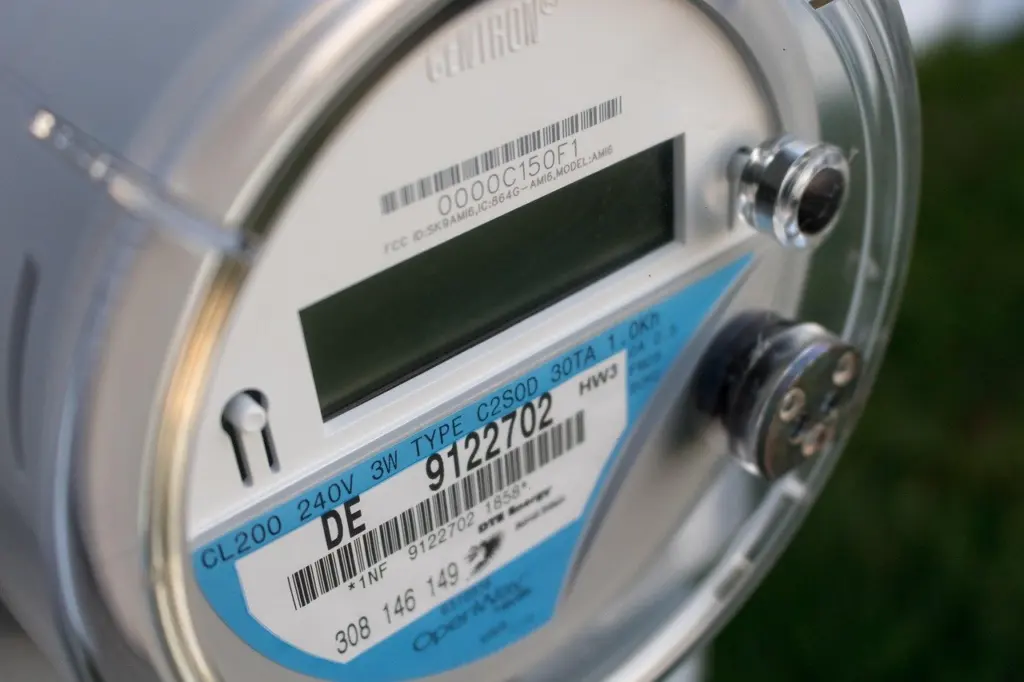
An energy monitoring system saves money by turning energy use from a monthly bill into a record you can act on. Smart energy management systems are described as monitoring and optimising energy use in real time. The saving does not come from the sensor. It comes from what operators do once they can see the pattern.
In practice, that visibility supports three decisions:
- Finding waste. Seeing which areas or machines draw power, and when, shows where equipment is running when nobody needs it.
- Verifying changes. After a repair, upgrade or schedule change, a monitored circuit shows whether the change delivered what was promised.
- Holding gains. Continuous data shows when a process drifts back to old behaviour, which a single before-and-after audit cannot.
Be cautious with any promised percentage. The IEA says the magnitude of digitalisation’s impacts varies greatly by application, and that some technologies reduce energy intensity while others induce rebound effects that increase overall energy use. Ask any vendor for savings from a comparable site and a comparable application, and treat generic claims as marketing until you see that.
Heavy industry may already hold much of the data. The IEA notes that the industrial sector has used process controls and automation for decades to maximise quality and yields while minimising energy use. Before buying new sensors, check what your existing control system logs and whether it can be exported. That can be a cheaper route to visibility than adding a parallel monitoring layer.
Connectivity is the other half. The IEA’s report forecast strong growth in connected IoT devices over the following years. That forecast is dated, but it explains why wireless meters and sensors are now routine, and why you should expect a monitoring vendor to offer cloud dashboards. A fuller treatment of meters, submetering and installation choices is in the guide to the energy monitoring system for business.
Building management systems
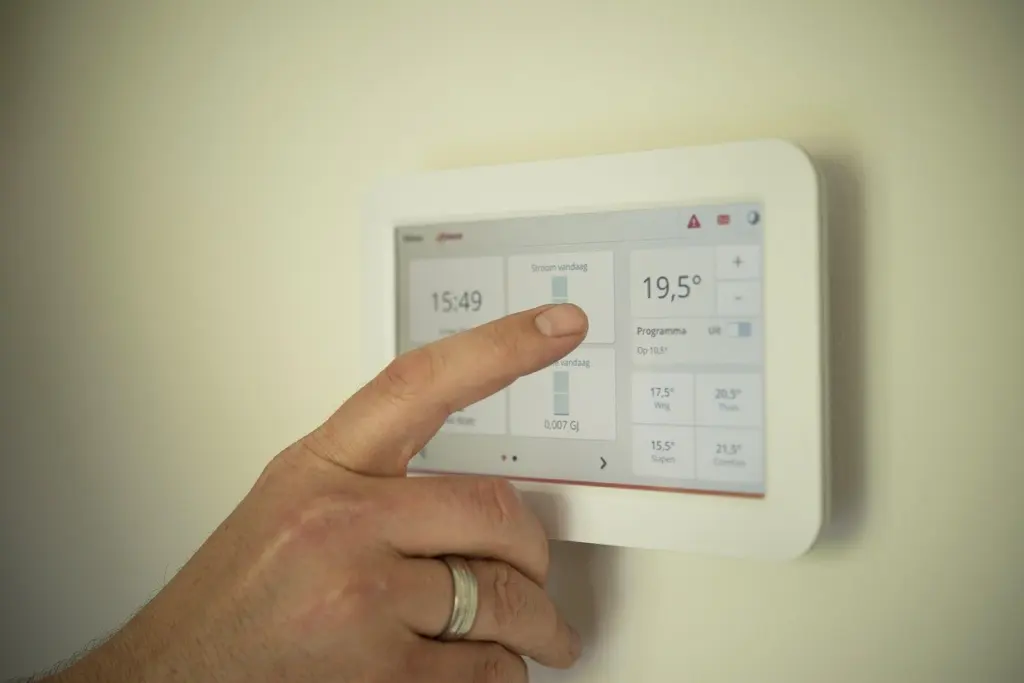
A building management system controls heating, ventilation, lighting and similar equipment from one interface, and it is the natural next step once monitoring shows that building services waste energy. It differs from a monitoring system because it can change how equipment runs rather than only report on it.
This suits sites where plant is controlled in separate, manual or poorly scheduled ways, and where several zones have different needs. It suits a simple single-room site less, where a basic schedule or thermostat adjustment may do the job. The practical guide to building management system energy savings explains how automation works and where results depend on commissioning and use.
One judgement applies throughout. Controls deliver savings only when someone sets sensible schedules and checks them afterwards. An installed system left on factory defaults rarely matches how the building is really used.
Cutting heat and power demand in operations
Once measurement shows where energy goes, operational equipment is where emissions and bills fall. The choice here is less about novelty than about matching a fix to your process.
Heat: recovery before replacement
For heat-intensive sites, two technologies deserve a look together. Waste heat recovery systems capture energy that a process already produces and would otherwise lose, while industrial heat pumps supply heat using electricity and can replace gas boilers in some manufacturing settings.
The decision order matters. Recovering heat you already generate reduces how much heat you need to buy, so it makes sense to assess it before sizing any new heat source. A heat pump is then sized for the smaller remaining demand, which usually keeps the equipment and its electricity connection smaller. Whether a heat pump fits depends on the temperature your process needs and on the electricity supply at the site, so get both confirmed before asking for quotes.
Wait on heat pump projects if you have no submetered heat data. Without it, you cannot size equipment or check the result.
Compressed air
Compressed air is a common hidden energy cost in manufacturing, because leaks are invisible and the system runs continuously. Compressed air leak detection is a low-complexity place to start, and variable speed drives match motor output to demand rather than running at a fixed speed.
The decision logic is simple: repair leaks first, then look at control and drive changes, and use monitoring to confirm the result at each stage. Replacing a compressor before finding the leaks is likely to size the new machine for waste.
Water and waste technology
Water and waste technologies reward the same discipline as energy: find out where the material goes before you invest in processing it.
Water: metering before recycling
Water recycling means treating used water so it can serve another purpose on site, and the equipment is usually tanks, filtration and treatment stages. It is a capital project, so it should follow evidence about your actual flows. Smart metering is the usual first step: the Plain Concepts review of sustainable technologies lists smart metering to prevent leaks in buildings among the tools companies use.
A smart water meter for business shows where consumption occurs and can flag unexpected flow, which separates two problems that recycling cannot fix together: a leak, and a process that simply uses a lot of water. Recycling suits sites with a steady, large stream of treatable water and a use that can accept the treated output. It suits sites with only intermittent or low volumes less well. Confirm local discharge and reuse requirements with your regulator before specifying plant.
Waste tracking
Waste technology covers smart bins, cameras and analytics that record what is thrown away, when and where. The value is the same as in energy: you cannot reduce a stream you do not measure. Smart waste management technology suits multi-site operators and sites where waste contractors charge by collection or by type. It is harder to justify where a single skip is emptied on a fixed schedule and the waste is already well understood.
Air quality and methane monitoring
Monitoring here is often driven by obligation and neighbour relations as much as by cost savings, so the first question is what your permit, regulator or community requires.
Air quality
Sensors that track particulates and gases give a site a record of what it emits and what reaches its boundary. Air quality monitoring for business suits sites near housing or sensitive receptors, sites with emission permits, and any operation where a complaint would need data to answer. Check what your permit specifies before choosing equipment, since regulated measurements may need particular methods that low-cost sensors do not meet.
Methane leaks
Methane is the main concern for operations that handle natural gas. Methane leak detection technology ranges from handheld surveys to fixed sensors, and the right choice depends on site size, how much gas equipment you have and the rules that apply. A site with a few gas appliances rarely needs a continuous network. A larger gas-handling facility may need one. Treat any rules that apply as the starting point and efficiency as the secondary benefit.
Carbon capture and cleaner fuels
These are the most discussed technologies and the least deployable for a typical small or mid-sized business. They matter for large emitters and for firms whose supply chains depend on them.
Carbon capture
Capture takes carbon dioxide out of an emission stream or the air so it can be stored or used. The Plain Concepts review of sustainable technologies reports one direct air capture plant in Iceland that collects 4,000 metric tons of carbon dioxide annually, with others under construction in Norway, the UK and Spain. That gives a sense of the form this technology takes: a dedicated plant, built and run as specialist infrastructure, rather than a unit added to an existing site.
For industrial emitters with unavoidable process emissions, the better entry point is capture at the emission source. The guide to Carbon Capture And Storage Projects: How They Work, Where They’re Succeeding, And What’s Next In 2026 – Greencrowding explains how the full chain of capture, transport and storage works. For a sector where process emissions are especially hard to avoid, Cement Carbon Capture: Practical Paths To Net‑Zero Cement In 2026 – Greencrowding looks at the practical routes.
Green hydrogen
Green hydrogen is hydrogen made by splitting water with renewable electricity, and it is relevant where a process needs a fuel or feedstock that electrification cannot easily replace. It is worth tracking if your operations involve high-temperature heat or chemical processes, and not a near-term purchase for most offices, shops or light manufacturing sites.
To understand the fuel and its uses, read What Is Green Hydrogen? A Practical Guide To Clean Fuel In 2026 – Greencrowding. To understand the equipment that produces it, Green Hydrogen Electrolyzers: The Practical Guide To Clean Hydrogen In 2026 – Greencrowding covers the electrolyzer side.
The digital and grid layer
Nearly every technology above depends on connected sensors, software and a grid that can respond to them. That layer is maturing, and it carries its own risks.
The IEA’s Digitalisation and Energy report records that global investment in digital electricity infrastructure and software has grown by over 20% annually since 2014, reaching USD 47 billion in 2016. For a business buyer, that growth signals a large supplier base and established products. It does not set a price for your site, and it does not mean every product is equally good.
The grid side matters if you generate, store or flex your own power. The guide to the Smart Power Grid: How Intelligent Electricity Networks Will Transform Energy Delivery By 2030 – Greencrowding explains how intelligent networks are expected to change energy delivery.
The same IEA report warns that digitalisation is also raising new security and privacy risks. Every connected meter or controller is a device someone must maintain. In practice, that means asking vendors how they handle software updates and access control, keeping building and plant controls separate from general office networks where you can, and deciding who owns the data before you sign. These are precautions rather than reasons to avoid the technology, but they belong in the purchase decision.
Cost, readiness and a sensible order of work
No single price covers environmental technology for business, because cost swings with the application and the site. The evidence in this guide gives a readiness picture instead. Carbon footprint measurement software is described as reaching early mainstream adoption. Process controls have served heavy industry for decades. Direct air capture exists at plant scale but in very few locations. Readiness and affordability therefore fall in roughly that order for a small business.
Use that ranking to sequence work:
- Collect the data you already have. Gather energy, fuel and water bills, and check what existing controls log.
- Set a baseline. Use carbon accounting software or a structured spreadsheet to organise emissions by Scope 1 and Scope 2.
- Add monitoring where the gaps are. Submeter the areas the bills cannot explain, and meter water if consumption is a concern.
- Fix the cheapest waste first. Leaks in compressed air and water, and building schedules, usually come before capital equipment.
- Size larger equipment on measured demand. Heat recovery, heat pumps and recycling plant should follow measured demand, not estimates.
- Review specialist options only if they fit your emissions. Capture and hydrogen belong here, once the basic steps are complete.
When you request quotes, ask each vendor for a comparable site, the application it served and how savings were measured. Given the IEA’s point that impacts vary greatly by application, that evidence is more useful than a headline percentage.
Frequently asked questions
Is carbon capture practical for small firms?
Usually not as an on-site purchase. Capture exists as dedicated plants, such as the direct air capture facility in Iceland that collects 4,000 metric tons of carbon dioxide annually, as reported by Plain Concepts. A small firm gets more from cutting energy use and emissions at source, and can follow capture developments through its suppliers and sector.
Can monitoring and digital tools increase energy use?
Yes, in some cases. The IEA’s Digitalisation and Energy report notes that some digital technologies can induce rebound effects that increase overall energy use, while others reduce energy intensity. Check that the savings you expect still hold once the equipment’s own consumption and any extra usage it encourages are counted.
What determines the cost of these technologies?
The application and the site do. Impacts and barriers differ greatly between applications, so a generic price is unreliable. Collect quotes against measured demand, and ask each supplier for results from a comparable installation.