
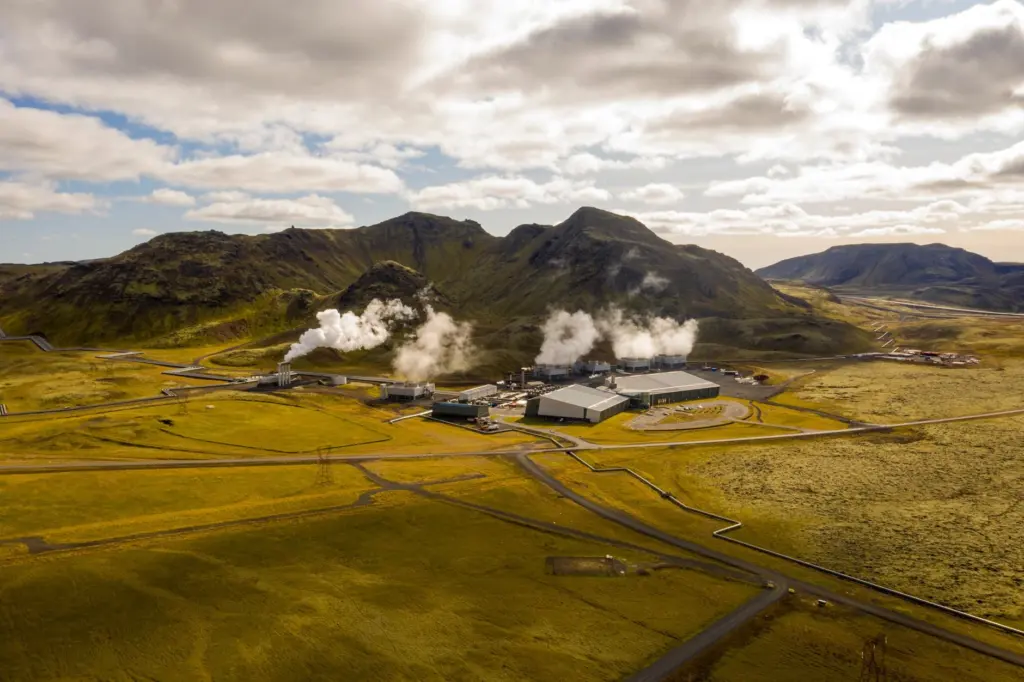
The advantages and disadvantages of geothermal energy come down to steady output against heavy early spending: plants run at a capacity factor typically 90% or higher, but costs sit mostly up front and the resource must suit the site.
That trade-off decides most projects. This guide walks through how each geothermal route works, where it pays off and where it does not. For wider planning across technologies, see our guide to clean energy for small business.
How geothermal delivers power and heat
Geothermal energy uses heat stored underground. The route you take decides your costs, your risks and your location options, so it is worth separating the three main routes before weighing pros and cons. The US Department of Energy describes all of them in its geothermal FAQs.
- Conventional hydrothermal plants. These use naturally occurring hot reservoirs, and in the United States they sit primarily in the western states, Alaska and Hawai’i.
- Enhanced geothermal systems (EGS). This approach can produce power wherever there is hot rock, so it is not tied to a natural reservoir.
- Geothermal heat pumps. These move heat through ground heat-exchanger loops, and geothermal energy can be tapped almost anywhere with them.
Heat pumps serve a single building, while hydrothermal plants and EGS serve electricity markets. That scale difference explains why the same technology family can look cheap in one setting and demanding in another. The sections below take the benefits first, then the limits.
Advantages of geothermal energy
Dependable, weather-independent output
Reliability is the strongest case for geothermal. The Department of Energy states that geothermal power plants have a high capacity factor, typically 90% or higher, and that the energy is available 24 hours a day, 365 days a year, regardless of weather. A plant that runs at that level behaves as baseload power, meaning it supplies steady output rather than following the wind or the sun.
For a decision maker, this makes geothermal a good fit where demand is constant, such as continuous industrial loads or a grid that needs firm supply. It also means a geothermal project should be judged on the electricity it delivers across the year, not on a peak rating alone.
No fuel handling and a lighter footprint
Geothermal power plants do not require fuel storage, transportation or combustion, according to the same Department of Energy FAQs. Because the process does not burn fuel on site, the emissions that come from combustion are not part of the operation, and there are no fuel deliveries to schedule or secure. The department also notes that geothermal plants have a lower profile and a smaller footprint than many other power sources, which helps where land or visual impact is a concern.
Heat pumps open geothermal to ordinary sites
Siting is the usual barrier for geothermal power, and heat pumps largely remove it. Since ground-source systems can tap heat almost anywhere, a building owner does not need a volcanic region or a natural hot reservoir. This is the practical route for homes, schools and commercial buildings that want geothermal heating and cooling.
Disadvantages and practical limits
Costs concentrated at the start
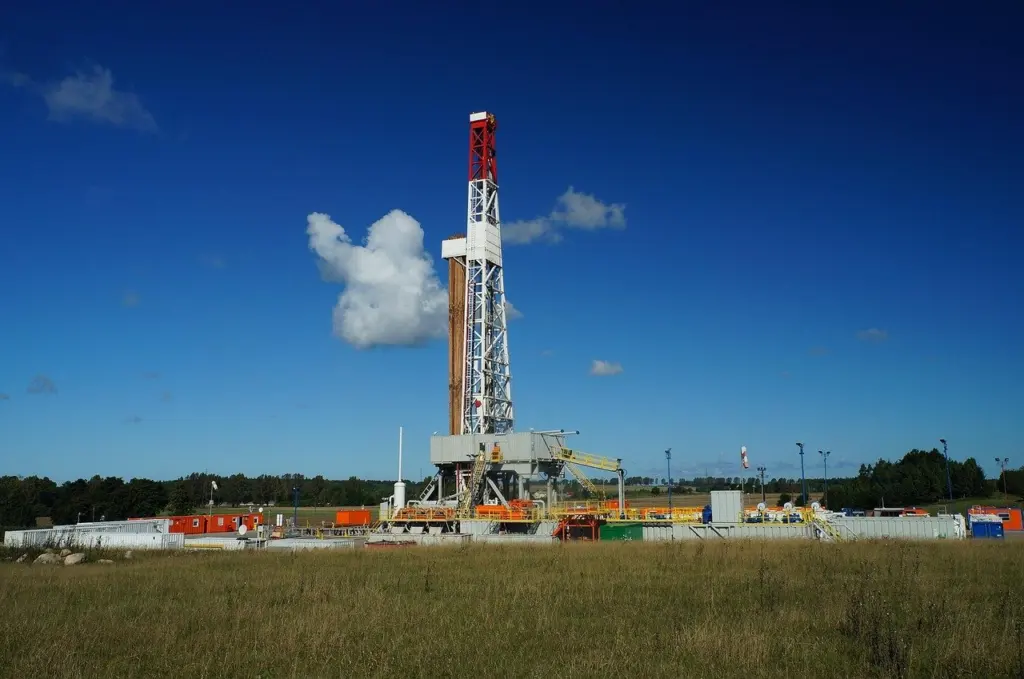
Geothermal plant costs are heavily weighted toward early expenses rather than fuel, as the Department of Energy explains. Drilling is a large part of that early spending, and exploration drilling can raise overall project costs and risk because a well may not find what the developer needs.
This matters for finance more than for engineering. A project with no fuel bill but a large up-front bill needs patient capital and a lender comfortable with resource risk. Treat any single cost-per-kilowatt figure with caution: it depends on how much exploration a site needs, so ask developers for site-specific estimates that separate exploration, drilling and plant costs.
Location still limits conventional plants
Conventional hydrothermal resources are concentrated in the western states, Alaska and Hawai’i, so a developer elsewhere cannot simply choose this route. EGS widens the map because it can produce power wherever there is hot rock, but a wider map does not remove drilling cost or exploration risk. Check which route your region actually supports before assuming geothermal power is available.
Ground loops raise the price of heat pumps
The cost of ground heat-exchanger loops makes geothermal heat pumps more expensive up front than conventional equipment, though the Department of Energy describes them as cost-effective over the long run. The loop is the main reason. A buyer who expects to leave a building within a few years may not recover that premium, while an owner who will stay long term is better placed to benefit.
Comparing the three routes
| Route | Where it works | Cost profile | Planning use |
|---|---|---|---|
| Conventional hydrothermal power | Primarily the western states, Alaska and Hawai’i | Costs weighted toward early expenses, not fuel; exploration drilling can add cost and risk | Suits regions with a proven reservoir and a need for steady power |
| Enhanced geothermal systems | Wherever there is hot rock | Costs weighted toward early expenses, not fuel; drilling remains central | Worth studying where no natural reservoir exists but demand is firm |
| Geothermal heat pump | Almost anywhere | Ground loops make it more expensive up front; cost-effective long run | Suits building owners planning to stay long term |
These comparisons draw on the Department of Energy geothermal FAQs and, for ground loops, the OpenEI GeoBridge heating and cooling guide.
When geothermal makes sense
Geothermal makes sense when the site, the load and the financing line up. The following checks help narrow the decision:
- Constant demand. A capacity factor typically 90% or higher pays off most when the energy is used steadily rather than seasonally.
- A route that fits the geography. Proven hydrothermal regions can consider conventional plants, other regions can look at EGS, and individual buildings can use heat pumps almost anywhere.
- Tolerance for early spending. If a project cannot carry large first costs or the chance that exploration drilling disappoints, geothermal power is a poor match.
- A long holding period. Heat pump loops and power plants both reward long-term ownership because savings come from avoiding fuel over many years.
If you are comparing options rather than committing to geothermal, community-based solar raises different questions about participation and contracts; our guide asks Is Community Solar A Pyramid Scheme? What It Really Means, How To Tell, And How To Protect Yourself (2026) – Greencrowding. For another renewable source with its own environmental trade-offs, see Is Hydropower Renewable? A Clear 2026 Guide To Its Sustainability And Trade-Offs – Greencrowding.
Where steady output, a suitable resource and long-term ownership coincide, the benefits outweigh the early costs. Where any of these is missing, a cheaper or more flexible option usually serves better.
Frequently asked questions
Does a geothermal power plant need fuel deliveries?
No. The Department of Energy says geothermal power plants do not require fuel storage, transportation or combustion.
Can enhanced geothermal systems be built outside traditional geothermal regions?
That is the aim of the technology. The Department of Energy says EGS can produce power wherever there is hot rock, so it does not depend on a natural hydrothermal reservoir.
What does a vertical ground loop involve?
For vertical systems, installers bore a 6-8 inch wide hole 200-500 feet deep, according to the OpenEI GeoBridge guide. Boring is a major reason ground loops cost more up front.