
| Factor | What the evidence shows | Planning use |
|---|---|---|
| Cost of electricity | NASA’s 1979 analysis found that the cost of electricity from a turbine is a strong function of mean site wind speed. | Get site wind-speed data before comparing quotes, because location moves cost more than most other choices. |
| Capacity factor | Land-based wind plants often reach a capacity factor of 35–40 per cent and are in operation 80 per cent of the time. | Budget on expected output, not the rated size of the machine. |
| Reliability benchmark | Thermal plants and flexible hydro can reach a capacity factor of up to 90 per cent. | Treat wind as variable supply and keep a firm source or flexible backup in the plan. |
| Energy payback | A 2012 life-cycle analysis puts payback at three to seven months of operation. | Supports sustainability reporting on embodied energy. |
| Lifecycle emissions | Onshore wind has the lowest total lifecycle greenhouse gas emissions per kWh among the sources compared, as cited from the IPCC. | Gives a defensible basis for emissions claims. |
| Birds | Collision impact is small compared with collisions with buildings, though bird deaths are an undesired consequence. | Ask for a site-level wildlife assessment, not a general assurance. |
| Noise | Measurable noise is low a few hundred metres from the source. | Check the distance to the nearest neighbours. |
| Land | Wind needs the largest area per MWh of the sources compared, but the footprint is minimal when the land is shared. | Farmland or grazing hosts suit wind better than land with no second use. |
Figures come from NASA’s 1979 wind turbine cost analysis and Statkraft’s wind power explainer.
Wind turbine pros and cons come down to site and grid: a good wind site gives low-emission power with a short energy payback, while variable output and land needs are the main costs a business buyer must plan around.
For wider context on buying renewable power, see our guide to clean energy for small business.
Cost and reliability for a business buyer
Wind is cost effective for a business when the site has a strong, steady wind resource and the buyer can accept variable output. The case weakens quickly on a poor site, however attractive the turbine price looks.
Why site wind speed drives cost
NASA’s 1979 conference paper showed that the cost of electricity at the busbar is a strong function of mean wind speed. The same paper projected that large horizontal-axis turbines built in quantity should be attractive for utility application. That is an old projection, not a current price. Its lasting lesson is that two identical turbines can deliver very different costs per unit of electricity at two different sites.
In practice, ask any developer for the levelized cost of energy at your specific site, and ask how it changes if the average wind speed is lower than forecast. A quote that does not state its wind-speed assumption cannot be compared with another quote.
Capacity factor and intermittency
Intermittency is the main drawback for a buyer who needs power at set times. According to Statkraft, a land-based wind plant often has a capacity factor of 35–40 per cent and is in operation 80 per cent of the time. Thermal plants and flexible hydro can reach up to 90 per cent. Wind is therefore a variable source that works well inside a grid containing flexible sources, not a stand-alone replacement for firm supply.
Turn that into decisions:
- Grid-connected sites: wind suits buyers who stay connected to a grid with flexible generation, because the grid covers the gaps.
- Round-the-clock loads: operations that cannot tolerate any interruption need firm supply or storage alongside wind, and that cost belongs in the comparison.
- Contract sizing: size any offtake on expected output at the capacity factor, not the rated capacity, or the deal will look better on paper than in delivery.
Advantages that support the business case
The strongest advantages are low lifecycle emissions and a very short energy payback. Statkraft cites a 2012 life-cycle analysis in which a turbine produces more energy than was needed to manufacture it after only three to seven months. It also cites the IPCC for onshore wind having the lowest total lifecycle greenhouse gas emissions per kWh among the sources compared.
For a company reporting on emissions, those two points make wind easy to defend, because the benefit does not rest only on running emissions. They do not remove the cost and reliability questions above; they show that the environmental case is robust when the site works. Newer turbines also use significantly less rare earth material per MW than earlier models, which narrows one common objection to the supply chain.
The main drawbacks of wind power
Beyond variable output, the drawbacks that matter in practice are wildlife effects, noise, and land. Each is manageable at the right site, and each is a reason to walk away from the wrong one.
Wildlife
Statkraft acknowledges that bird deaths from turbines are an undesired consequence. It also says collisions with wind turbines are small in impact compared with collisions with buildings and other infrastructure. Read that as a relative comparison, not as permission to skip assessment. Because the risk depends on the location, a wildlife review of the actual site should be part of due diligence.
Noise and neighbours
Measurable turbine noise is low a few hundred metres from the source, though how people perceive it depends on local conditions. For siting, the practical check is the distance to the nearest homes and the conditions around them, not a general noise figure.
Land use
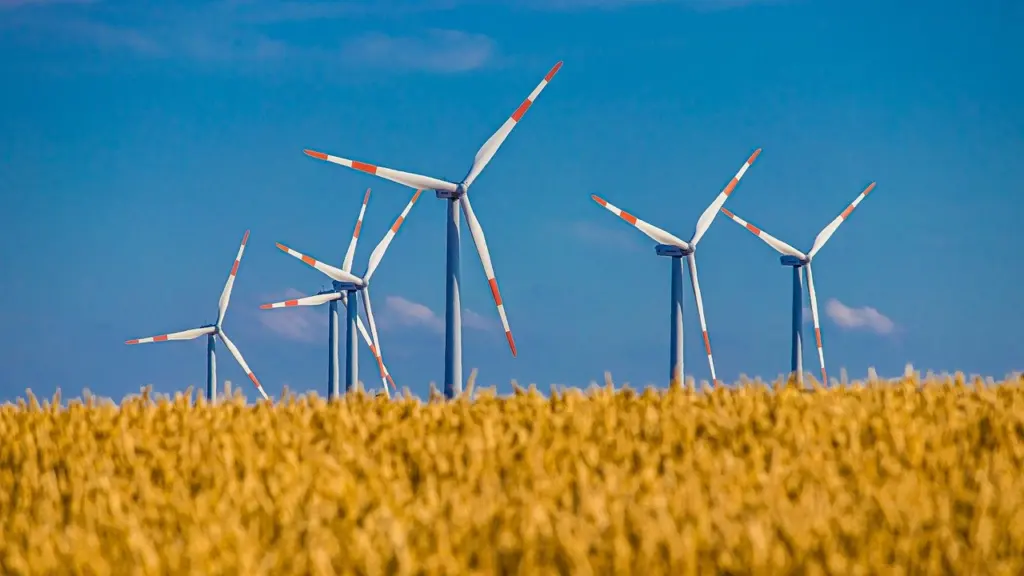
Counted in full, a wind farm needs the largest land area per MWh produced of the energy sources Statkraft compares. If the same land can be used for other purposes, such as farming or grazing, the dedicated footprint becomes minimal. That makes onshore wind a good fit for working agricultural land and a poor fit where the ground has no second use.
How siting and design shape the trade-offs
Every drawback above traces back to where the turbine stands. Output, cost per unit of electricity and neighbour impact all follow from the wind regime and the surroundings, so the site decision comes before the technology decision.
A turbine converts the energy in moving air into electricity, so its output rises and falls with the wind that reaches it. That is why mean wind speed shows up in the cost analysis and why capacity factor sits well below that of steady thermal plants. To see how the rotor, nacelle and tower fit together, the visual guide Understanding Wind Turbine Diagrams: A Practical Visual Guide For 2026 – Greencrowding labels the components.
Wind compared with hydropower
Hydropower is the natural comparison because flexible hydro and wind work well together. Statkraft notes that wind interacts very well in a power system that includes flexible sources such as hydropower, and flexible hydro can reach a capacity factor of up to 90 per cent. Wind supplies low-emission energy when the wind blows; hydro can supply flexibility when it does not.
Hydropower has its own risks and conditions, set out in Hydropower Pros and Cons: A Practical Guide To Its Advantages, Risks, And When It Makes Sense (2026) – Greencrowding. Read the two together if your region offers both.
When wind suits a business and when to wait
- Choose wind when the site has strong average wind, the land has a second use, and the grid connection provides flexibility for calm periods.
- Wait or look elsewhere when the wind-speed data is thin, the nearest neighbours are very close, or the operation cannot tolerate any variability and has no backup plan.
- Ask for before signing: the levelized cost of energy at your site, the expected capacity factor, and a wildlife and noise assessment.
Frequently asked questions
Do wind turbines harm human health?
Statkraft reports that research, including the WHO’s view, does not support the claim that wind turbines themselves contribute to physical or mental health effects.
Do turbines depend heavily on rare earth materials?
Newer turbines use significantly less rare earth material per MW than earlier models, according to Statkraft, though it gives no figure.
Can wind be paired with batteries?
Yes. Statkraft says combining wind power with batteries is becoming increasingly common, which matters most where flexible generation such as hydropower is scarce.