
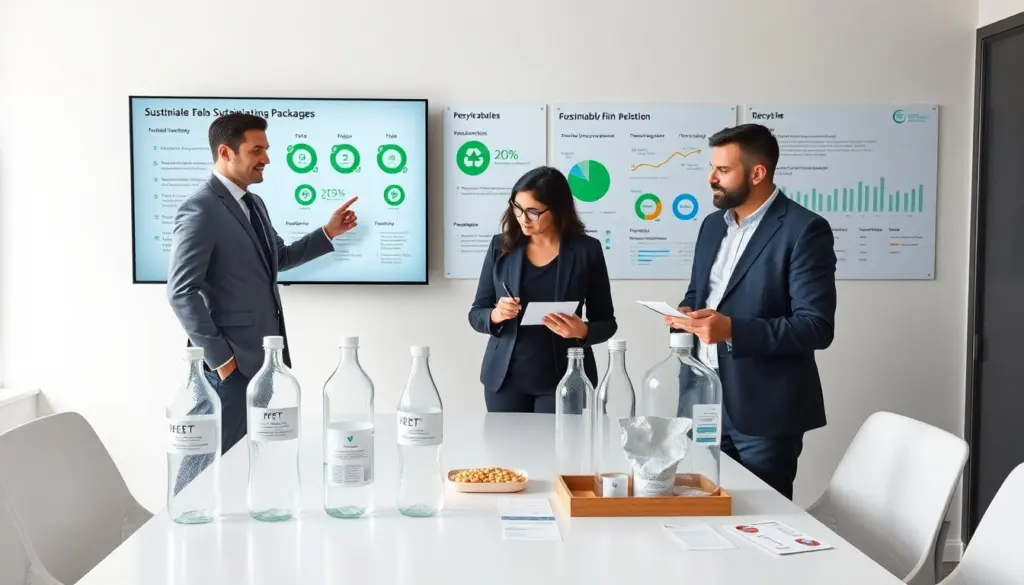
Sustainable plastic packaging must become a core business practice in 2026. Brands must reduce waste and carbon while controlling costs. Suppliers must shift materials and processes. Consumers must get clearly labeled options. This article gives clear steps brands and suppliers can use to adopt sustainable plastic packaging quickly and affordably.
Key Takeaways
- Sustainable plastic packaging is critical for brands to reduce waste, cut carbon emissions, and comply with 2026 regulations while controlling costs.
- Designers should prioritize using recycled content, mono-materials, and bio-based plastics to enhance recyclability and lower environmental impact.
- Implementing a clear roadmap—including setting targets, mapping supply chains, and conducting technical tests—ensures smooth adoption of sustainable plastic packaging.
- Procurement must require recycled-content and recyclability clauses in contracts to secure sustainable materials and manage costs effectively.
- Piloting packaging solutions in limited markets helps gather data on consumer response and recycling outcomes before full-scale rollout.
- Tracking and transparent reporting of recycled content and carbon metrics build trust and guide continuous improvement in sustainable plastic packaging efforts.
Why Sustainable Plastic Packaging Matters Now — Environmental, Regulatory, And Market Drivers
Governments set stricter rules for single-use plastic and packaging waste. Regulators require recycled content and clearer recycling labels. Retailers set targets for reduced packaging weight and higher recycled content. Investors track packaging metrics in sustainability reports.
Climate targets push companies to lower packaging emissions. Packaging accounts for a notable share of product life cycle emissions. Brands that cut packaging emissions reduce scope 3 reporting risks. This effect matters to large manufacturers and small brands alike.
Consumers demand cleaner choices. They read labels and pick products with better packaging claims. Retailers reward products that reduce shelf space costs and returns from damaged goods. Buyers reward packaging that offers recyclability and lower plastic use.
Cost pressures favor sustainable plastic packaging. Using recycled resin can lower raw material costs when oil prices rise. Reducing material weight lowers transport and storage costs. Brands that improve packaging efficiency often save money while meeting sustainability targets.
Supply chain resilience favors simpler material choices. Single polymer formats ease recycling and sorting. Suppliers that standardize formats see lower processing costs and faster lead times. This benefit improves margins and reduces supply delays.
Regulatory, market, and environmental drivers together push companies to act. Companies that delay face higher compliance costs and lost market share. Companies that act early gain cost and brand advantages in 2026.
Design Principles And Material Choices: Recycled, Mono‑Material, And Bio‑Based Options
Design teams must focus on three clear goals: reduce material, simplify material, and use recycled or lower-carbon feedstocks. Designers should choose the option that fits the product, cost base, and end-of-life system.
Recycled plastic offers immediate carbon and cost benefits. Recycled PET and rPET work well for clear bottles and trays. Recycled HDPE replaces virgin HDPE in jugs and containers. Brands must verify recycled content through chain-of-custody documentation.
Mono-material designs ease recycling. Mono-material film and mono-material rigid containers reduce sorting errors. Processors can bale and reprocess uniform materials at higher yield. Designers should avoid mixed substrates, such as PE laminated to PET, where possible.
Bio-based plastics reduce fossil feedstock use. Bio-based PET or bio-based PE can lower cradle emissions. Brands should check third-party life cycle analyses. Bio-based plastics do not always improve recyclability. Teams must test compatibility with local recycling systems.
Barrier needs require careful trade-offs. Barrier layers improve shelf life and reduce food waste. Brands must weigh material complexity against the benefits of less product spoilage. In some cases, adding a recyclable barrier film beats throwing away a spoiled product.
Labeling and inks affect recyclability. Adhesives, labels, and inks must peel away cleanly or be compatible with reprocessing. Brands should specify recyclable adhesives and water-soluble inks in procurement contracts.
Design for reuse offers another path. Refillable bottles and containers cut single-use waste. Companies can pilot refill systems in select stores or online. Reuse systems require logistics and customer incentives, but they can deliver steep carbon and cost savings over time.
Standards and certification help buyers choose materials. Recycled content certificates, recyclability logos, and third-party LCA summaries give buyers confidence. Suppliers should provide these documents with technical data sheets.
A Practical Implementation Roadmap For Brands And Suppliers: Testing, Procurement, And End‑Of‑Life Planning
Step 1: Set clear targets. Teams must set percent recycled content, recyclability, and weight goals. Targets must align with regulatory deadlines and retailer commitments.
Step 2: Map the supply chain. Teams must list material suppliers, converters, packagers, and waste handlers. Mapping reveals bottlenecks and recycling gaps. Brands can then prioritize suppliers that meet targets.
Step 3: Run technical tests. Teams must test compatibility for fill, seal, barrier performance, and drop strength. They must run accelerated shelf-life and migration tests for food contact. Technical teams should record failures and iteratively improve designs.
Step 4: Secure procurement commitments. Procurement must include recycled-content clauses and recyclability requirements in supplier contracts. Contracts should require documentation, sample approvals, and pilot volumes. Procurement should negotiate price collars for recycled resin to manage cost volatility.
Step 5: Pilot with controlled rollouts. Brands should run pilots in limited markets or SKUs. Pilots reveal consumer response and supply issues. Teams must collect return and recycling data during pilots.
Step 6: Plan end-of-life pathways. Brands must map local recycling streams and partner with waste processors. Where recycling lacks, companies should fund collection or invest in chemical recycling trials. Brands should avoid assuming advanced recycling will always scale quickly.
Step 7: Track and report. Teams must monitor recycled content, recycling rates, and carbon metrics. Regular reporting helps identify shortfalls and guide corrective action. Transparency builds trust with consumers and regulators.
Step 8: Scale and optimize. After pilots, teams must expand successful formats and continue cost optimization. They must update specifications as new recycled feedstocks and manufacturing methods become available.
Brands and suppliers that follow this roadmap can reduce waste, lower costs, and meet 2026 regulatory milestones. Clear targets and steady implementation give teams a path to measurable results in sustainable plastic packaging.