
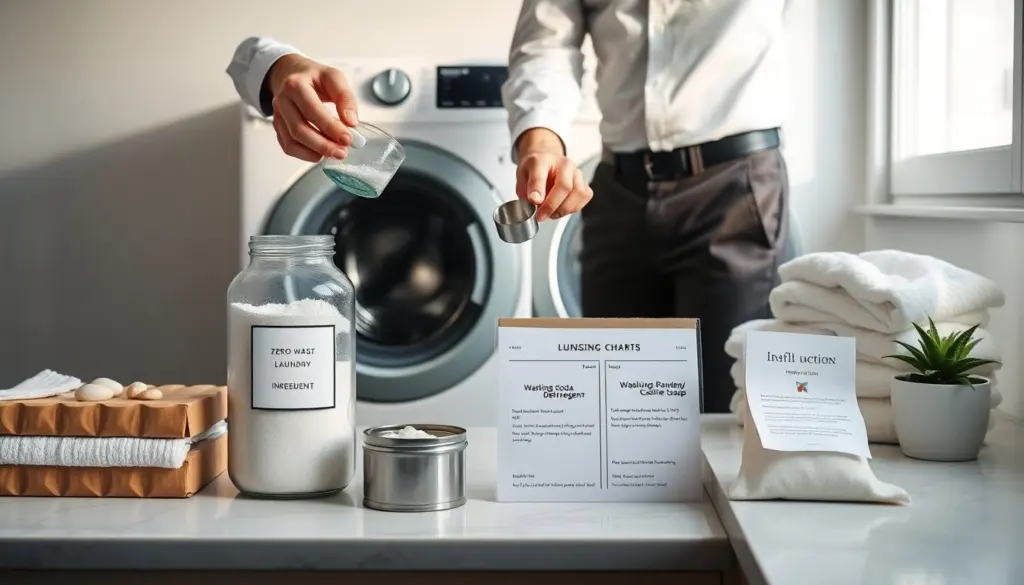
Zero waste laundry detergent helps reduce plastic and chemical waste from laundry routines. The guide explains clear steps. It shows simple product choices. It shows safe DIY options. It shows quick habits that cut waste and save money. Readers learn practical actions they can adopt this week. The tone stays direct and factual.
Key Takeaways
- Zero waste laundry detergent significantly reduces plastic waste and harmful chemicals entering waterways, benefiting both the environment and your home.
- Choose concentrated, low-packaging zero waste laundry detergents with simple, biodegradable ingredients like castile soap or soap nuts to minimize environmental impact.
- DIY laundry detergent recipes using natural ingredients provide an affordable and effective zero waste alternative stored in reusable glass or metal containers.
- Adopt practical habits such as sorting laundry by soil level, using cold water washes, measuring detergent precisely, and air-drying clothes to cut waste and save money.
- Participate in refill programs and track cost per load to maximize savings while supporting circular, low-waste lifestyles.
- Introduce one new zero waste laundry habit each month to build sustainable routines that reduce waste and lower laundry expenses over time.
Why Zero-Waste Laundry Detergent Matters For Your Home And The Planet
Zero-waste laundry detergent reduces plastic use. It lowers the number of detergent containers that reach landfills and oceans. It reduces the chemical load that enters waterways from rinse water. For families, it means fewer bulky bottles to store. For renters, it means fewer deliveries and fewer one-use packaging items to discard.
People choose zero-waste laundry detergent to cut single-use plastic waste. They also choose it to avoid excess fragrance and preservatives. Many commercial detergents use phosphate or optical brighteners. These additives can harm fish and alter aquatic ecosystems. A shift to zero-waste laundry detergent reduces those inputs.
Municipal systems often cannot filter all laundry chemicals. They remove solids and some organics, but many laundry chemicals pass through treatment. Using a zero-waste laundry detergent with simple, biodegradable ingredients lowers that load. Communities benefit when many households switch.
Households also see direct cost benefits. Bulk refill options often cost less per load than packaged bottles. Concentrated zero-waste laundry detergent forms can reduce shipping weight and cost. Shoppers who track cost per wash usually find savings within months.
Finally, zero-waste laundry detergent supports circular habits. It encourages reuse of jars, drops single-use plastic demand, and makes small daily actions consistent with other low-waste choices.
How To Choose Or Make Truly Zero-Waste Laundry Detergent
Buy concentrated, low-packaging formulas when choosing zero-waste laundry detergent. They cut shipping and packaging. Seek products sold in cardboard boxes, compostable pouches, or refill stations. They reduce plastic waste compared with single-use plastic jugs.
Read labels for simple ingredients. Look for sodium carbonate, soap nuts, castile soap, or soap flakes. Avoid synthetic surfactants with long chemical names. Steer clear of dyes and added fragrance when the label allows. Those additives increase environmental risk.
Check for clear biodegradability claims. Reliable products list simple, known ingredients. They also provide dosing per load. A clear dosing guide reduces overuse and saves money. If a product lists proprietary blends without ingredient detail, one cannot verify its zero-waste or low-impact claims.
Make a small batch at home as an alternative. One simple recipe combines grated castile soap, washing soda, and baking soda. Mix in a jar. Dissolve a tablespoon in hot water for each load. Use this mix with warm or hot water for best dissolving. A second method uses soap nuts. Place several nuts in a small bag and add the bag to the wash. Each bag lasts multiple loads.
Store DIY or refill detergent in glass jars or metal tins. These containers last longer than plastic and they keep a kitchen or laundry area tidy. Label each container clearly with ingredients and safe-handling notes.
Test any new product or DIY mix on a small garment first. They can affect colors or delicate fabrics. Users should adjust dose and water temperature to match fabric care labels. Those checks prevent damage and reduce returns or waste.
Practical Zero-Waste Laundry Habits That Cut Waste And Save Money
Sort laundry by soil and color to use detergent efficiently. They should wash lightly soiled clothes in smaller, quicker cycles. They should reserve long cycles for very dirty items. This approach saves water and reduces the total detergent needed.
Use cold water for most loads. Cold water dissolves many modern detergents and it uses less energy. When a wash needs hot water, use the shortest effective cycle. Lower energy use reduces household bills and cuts carbon emissions tied to heating water.
Measure detergent carefully. Overdosing wastes product and creates extra rinse cycles. Many people double dose ‘‘just in case.” They should follow the dosing guide on zero-waste laundry detergent labels or use the small scoop that comes with refills.
Run full loads when possible. A full machine uses less water and detergent per garment. For mixed loads, choose a medium setting rather than a small or half-load mode unless the machine has a water-saving option.
Air-dry when fabric care allows. Air-drying cuts energy use and lengthens garment life. Dryers cause mechanical wear that increases textile waste. A simple drying rack and a few clothespins provide an easy alternative.
Repair garments to extend use. Small fixes such as resewing a hem or patching a hole keep items out of the trash. Less frequent replacement reduces the number of laundry cycles and the total detergent used across a wardrobe.
Use refill programs when available. Many stores and co-ops offer refill stations for zero-waste laundry detergent. Refill options reduce single-use packaging and often lower cost per wash. Bring the same bottle to the store to reuse it many times.
Choose multi-functional products sparingly. Some zero-waste laundry detergent blends also act as stain removers or fabric softeners. They can work well, but they can also encourage overuse. Use a targeted stain treatment only when needed.
Track cost per load monthly. They should divide the refill cost by the number of loads to see real savings. Small savings per load add up quickly and they justify the small time investment for low-waste habits.
Adopt one new habit each month. They should start with measuring detergent and switching to cold water. Gradual changes stick better than abrupt overhauls. This steady approach leads to consistent reduction in waste and lower laundry bills.